
Inspiring Smiles Forever
Click To Contact Inspiring Smiles Forever
Look to these pages for the latest from the studio and the boat yard. This is a simple web site with no cookies or security hosted by Go Daddy. Trust they will let you have fun browsing.
Complete Works, Portraits, Landscapes, Still Lifes, Sculpture, Lego Artist...
Click To Sign up for auction notices or check past auction sales at EBTH
Have any Tom Lohre painting on Prints, Greeting Cards, Throw Pillows, Duvet Covers, Shower Curtains, Tote Bags, iPhone Cases, T-Shirts, Round Beach Towels, Towels (Beach & Bath), Yoga Mats, Spiral Notebooks, Fleece Blankets, Portable Batteries Chargers, Carry-all Pouches, Weekender Tote Bags, Coffee Mugs, Tapestries, Face Masks, Jigsaw Puzzles, Stickers and Oraments via Fine Art America
If you don't see your favorite painting request it to be offered.
Post comments on Facebook https://www.facebook.com/tom.lohre/
Tom's sailing page Stories of 4 Atlantic crossings, boat rebuild, sailing on the Ohio River and links to PDF and videos
Online Clifton Chronicle The local publication Tom was the editor for ten years.
In 2005 Tom started a series of ten 8” x 10”, oil on canvas paintings of woman prominently featured in a city scape. He would set up his easel in various parks and place in Cincinnati while working on the figure in the studio. They were: Ludlow Avenue Bulletin Board Pollsters, Ludlow Garage in Snow, Fountain Square with Woman, Katrina Relief Fund, Bengal, Hyde Park Fountain, Ludlow Avenue Bulletin Board, Covington Women, New York City Clean, Sitwell Woman I and Sitwell Woman II. He learned that series did not strike a nerve in the viewing public. Three of the paintings went for high market prices. Tom has used one of the image as his screen saver for ten years and still does. Sitwell Woman, 2005, took advantage of the gaining popularity of texting while walking to show the woman texting and eating an ice cream cone. The catalyst for the work was his wife putting pressure on him to produce successful paintings that sold. Now as in the past Tom works a vein for a while until moves to another motif more interesting. These paintings were sometimes painted on the street. Working from life guides the color and form to be the best with the least. Sometimes it means sitting a few inches from speeding cars. The optimal setting for life work is where the artist can best focus on giving the art what it needs. Tom discovered that working from inside a quite shop looking out the window produced the best results. Eventually he saw the need to use every possible means to let the painting have as much chance as possible to be successful. Tom is melding his formidable portrait skills with his accomplished “en plein air” manner. For thirty years he has painted formal portraits that sometimes take upwards of a year to paint. The life size portraits are masterpieces of modern romanticism. The surface of the canvas is amazing to look at for Tom uses the white of the canvas and transparent tints to create lifelike form. Tom is obsessed with the surface of the painting. He emulates the great master figurative painter William Adolph Bouguereau. Tom started his “en plein air” work, artwork painted outdoors, after mastering his portrait manner. He honed his skills by painting outdoors every day. He would paint scenes devoid of people even though they would be in very popular locations. Later Tom incorporated well-wrought figures into his “en plein air” work. The figures and composition are worked up in the studio and painted on location. Nature is Tom’s inspiration. He will take numerous photographs of people milling about and uses these images as stepping off points for the figures he creates in his canvases. The sometimes eight inch high figures in the new work can be portraits. The small figure in the painting can look just like a person but the size prevents it from becoming to ponderous. These figures, used as the catalyst, the digital mannequin program, "Poser." Before discovering this program Tom spent the traditional manner of working up figurative works by working up a collage of various images combined with free hand drawing. Now, each portrait's subject is created as a digital mannequin and posed and lighted in the pose of the painting. The lighting is especially accurate. The unique thing about the images derived from the mannequin program is the simplicity of the rendering. It is as if the student of the sphere, square, cone was given another simple depiction of form to use.
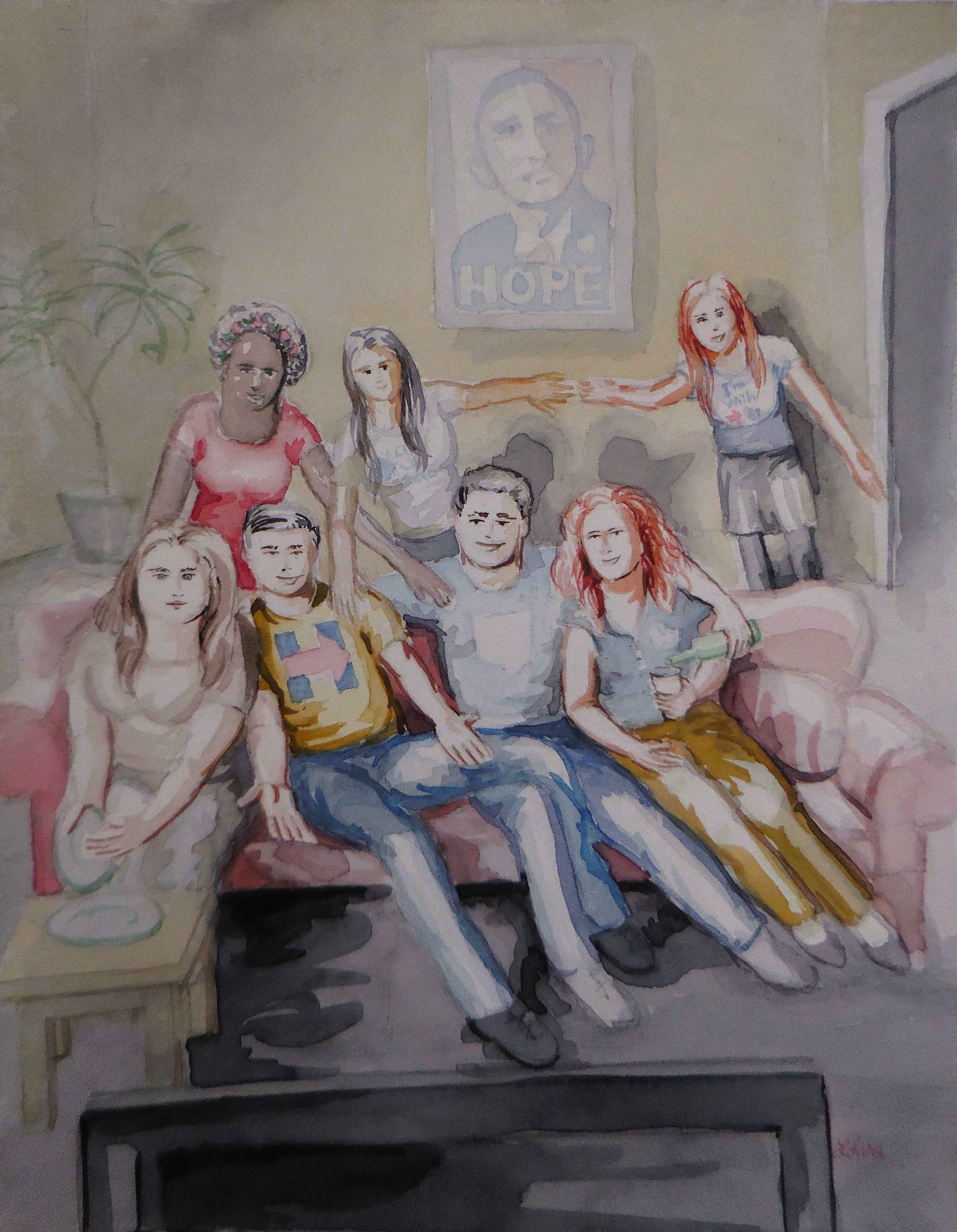
Illustration for MARY ANNE REESE poem "Inauguration", Watercolor on paper, 8.5" x 11", February 23, 2017, Figures in a Landscape
Tom's friend Saad Goshen publishes a book of poems matched to illustrations. This work is one of those illustrations. Tom lost interest in the work after completing the drawing and palette. Three weeks later he relearned everything he forgot creating figures with watercolor. Some of the staff of Hillary Clinton's Clifton, Cincinnati office played the roles: Caroline Lembright, Umeirra Umy Savani, Elena Saltzman, Radheya Kulkarni, Elena Saltzman, Jordan Thornlow, Jalakoi Solomon and Sean Young . Tom volunteered with them. Picking images of them off their Facebook pages. This incentive made it possible to plow through the work time from January 1 to February 23.
https://tomlohre.com/obama.htm
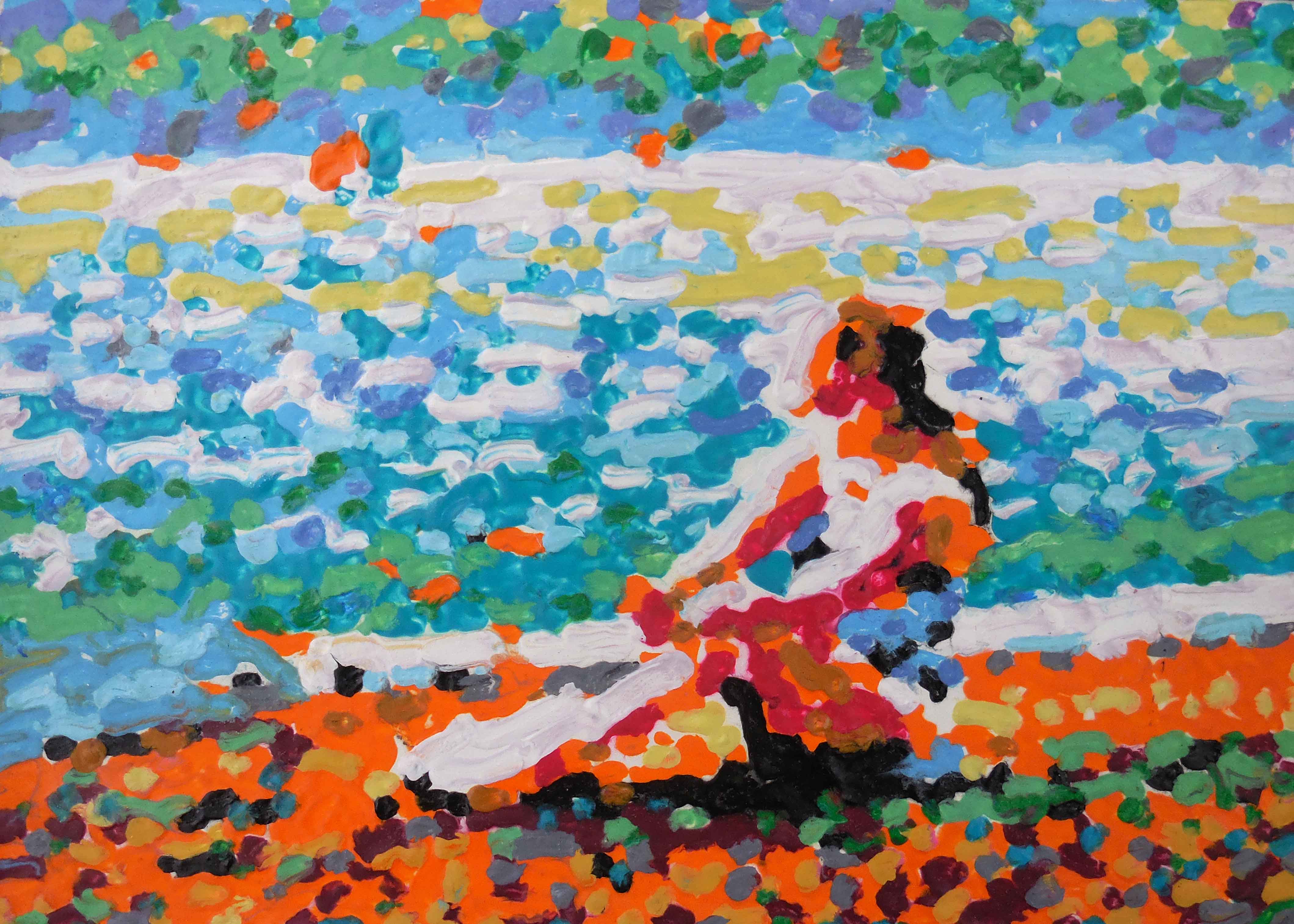
Zurich II, 6" x 4", Oil pastel on board, heating gessoed board with 1/8" crayons
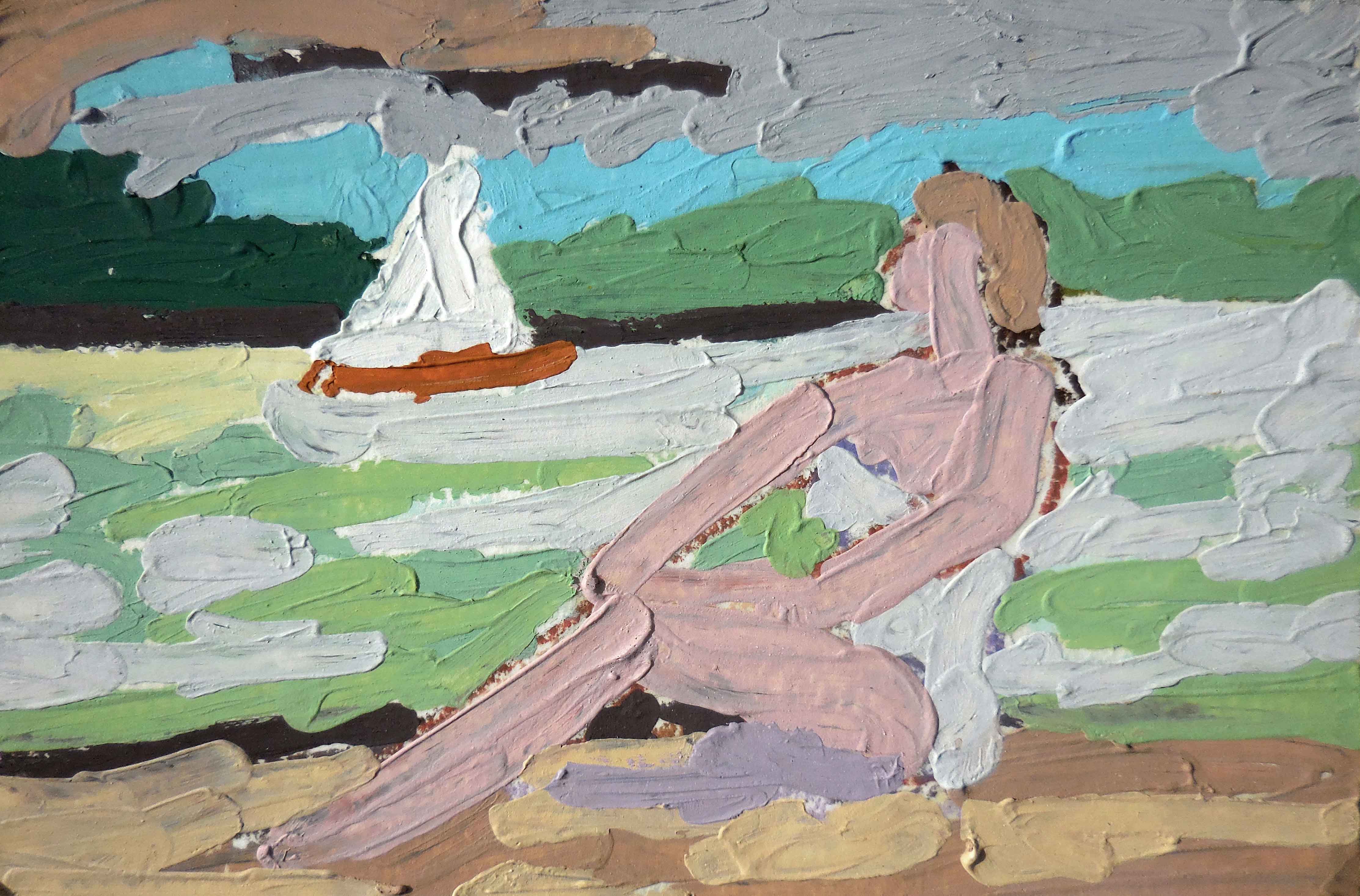
Zurich I, 6" x 4", Oil pastel on paper
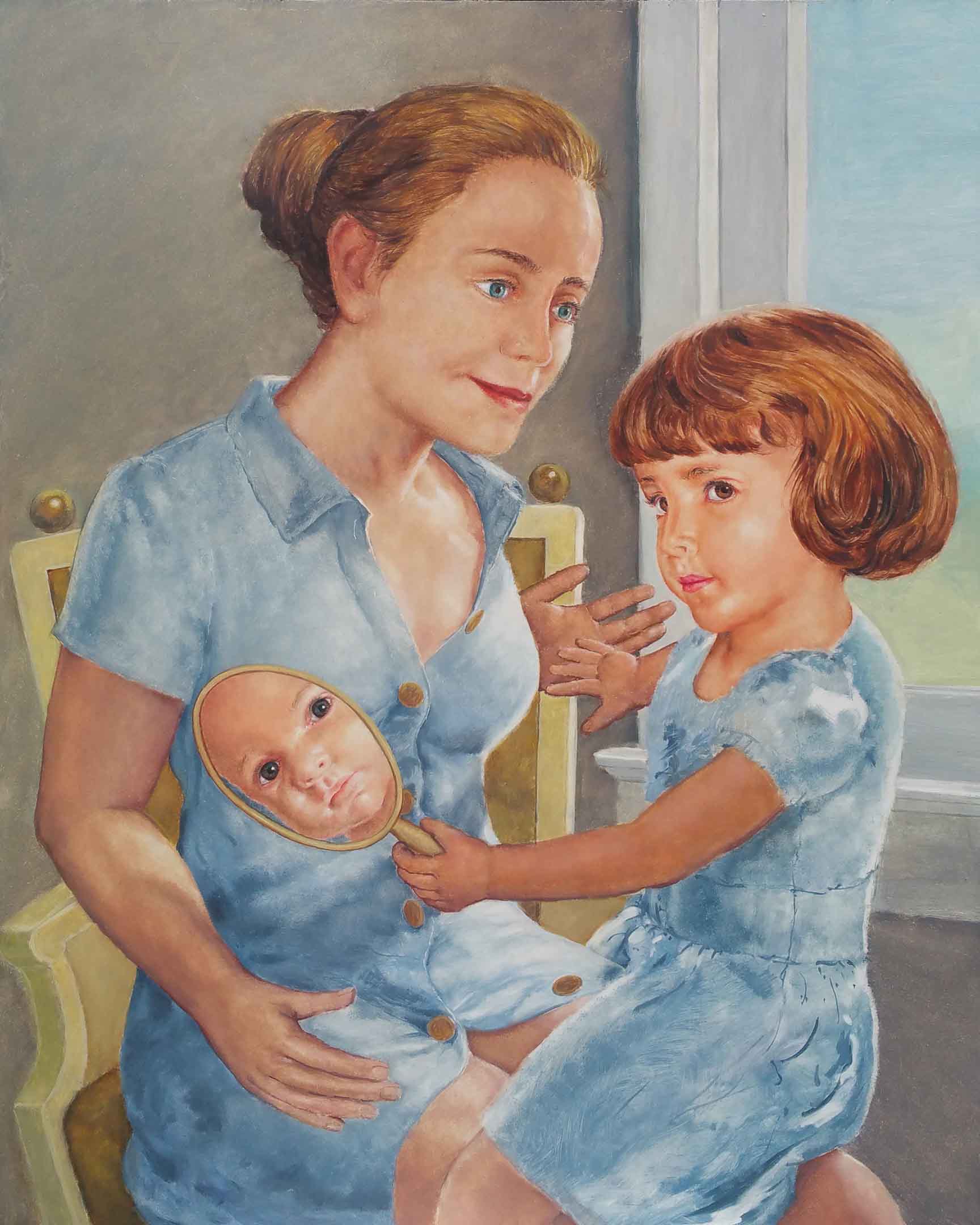
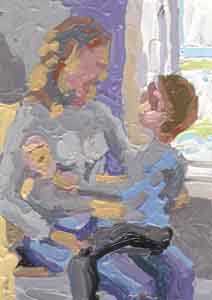
Mother Daughter VIII, 24" x 30"", Tuesday, November 25, 2014

Bather after Degas, Finished November 1, 2011, 5" x 7" x .125” x 2 oz., Oil pastel melted on Plexiglas. Framed in a Neapolitan style simulated gold leaf over clay over wood with no seam in corners weighing 2 pounds
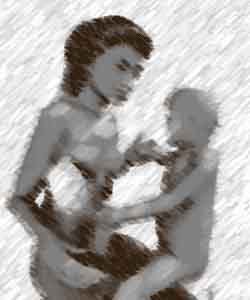
Poser 7 output of composition for Mother Daughter VIII, 24" x 30", castor oil mixed with powdered pigment on gessoed board, September 30, 2014
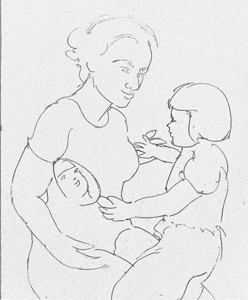
Mother Daughter VIII, Pencil on canvas, 24" x 30", October 2, 2014
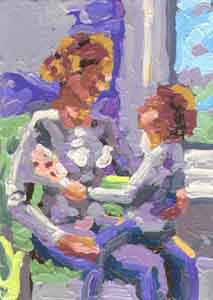
Mother Daughter VI, 5" x 7", Oil pastel melted on aluminum, October 6, 2014Mother Daughter VII, 5" x 7", Oil pastel melted on aluminum, October 7, 2014
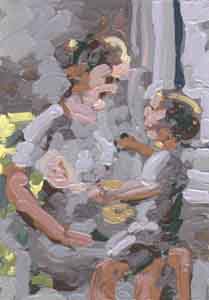
Mother Daughter V, 5" x 7", Oil pastel melted on aluminum, October 5, 2014
THE PHILOSOPHY OF COMPOSITION.———
BY EDGAR A. POE.When composing a work, Tom create with formulas. This treatise
by Poe is similar. http://www.eapoe.org/works/essays/philcomp.htm
Tom's Art Method is combining truth, beauty, order, justice and culture in a non-conformity
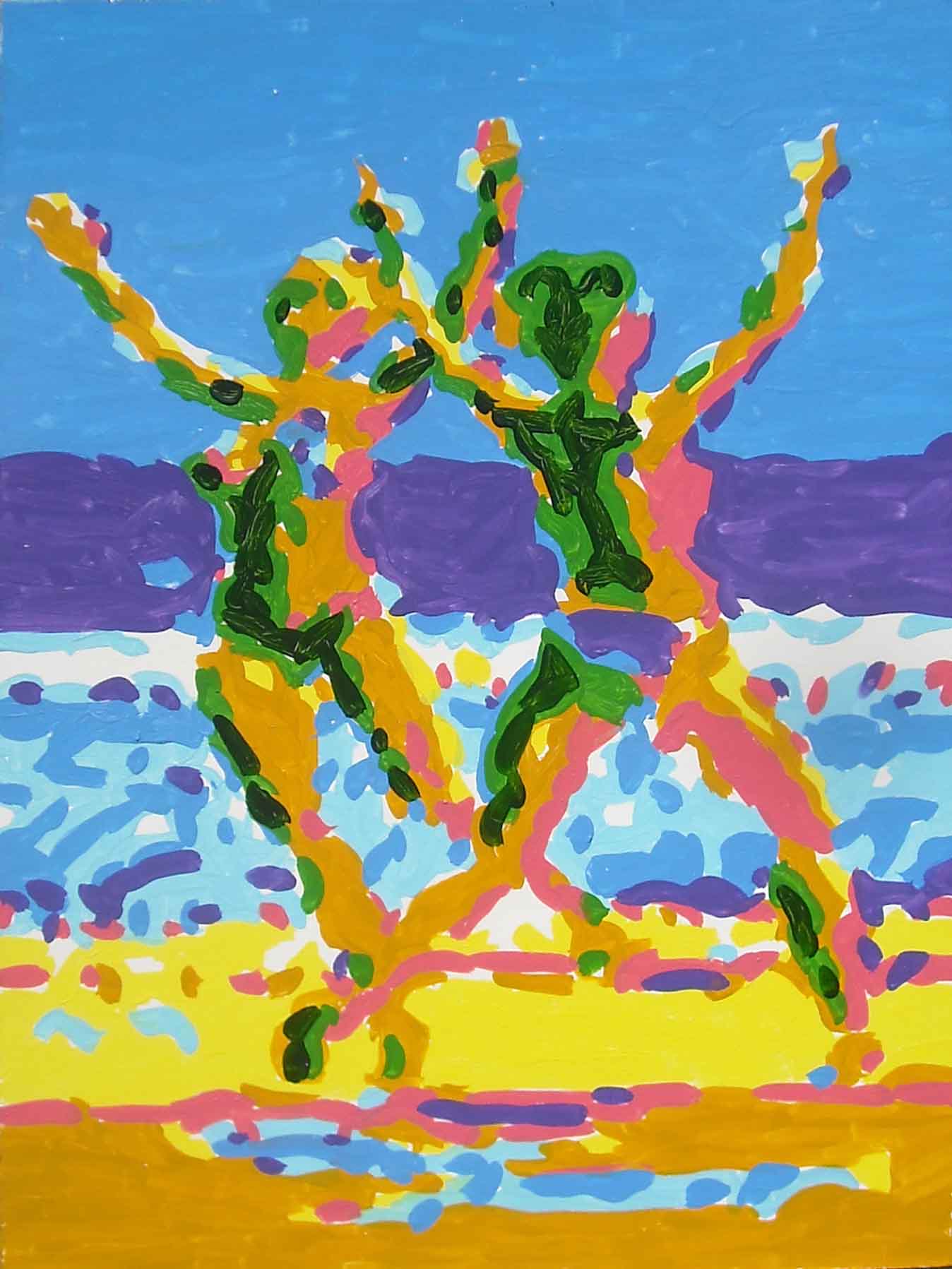
Beach Dancers, 12"
x 16", Oil on board, July 26, 2011
The culmination of a life of study, this dancer motif is universal. Stuck in
a rut for years painting what was in front of him as if he could make a silk
purse out of a sow’s ear. This painting may look simple but it took his
painting robot to teach me to simplify. The steps are complex but the painting
is easy. Working up the grace of the figures is what takes the longest. Woman
needs to be more than a shapely figure. The shape has to have strong confirmation
like a horse. Tom can run with this. He developed this motif while finishing
the last fountain painting. Where did he step off from, he stepped completely
off the fountain motif, halleluiah.
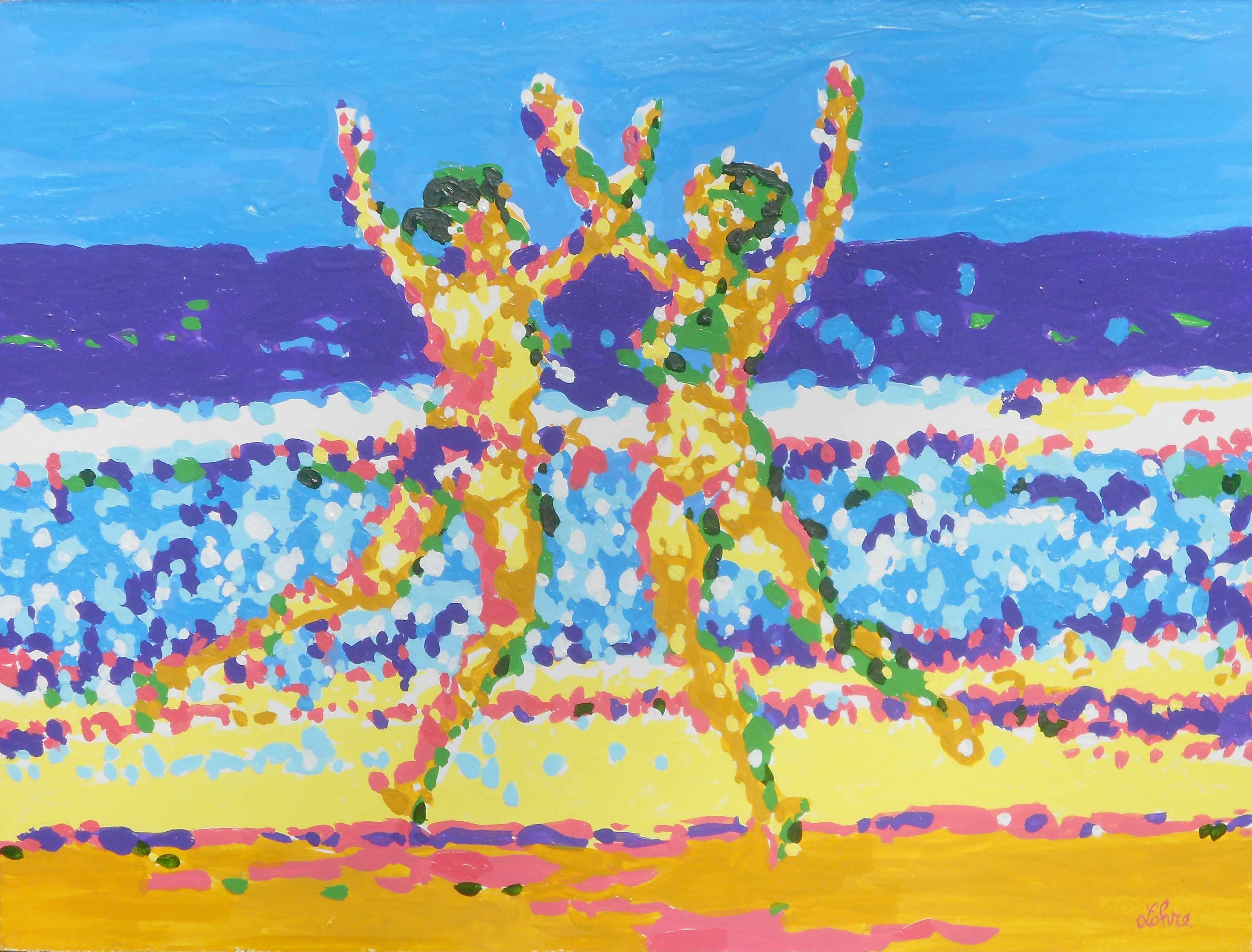
Beach Dancers II, 12" x 16", Oil on board, August 15, 2011
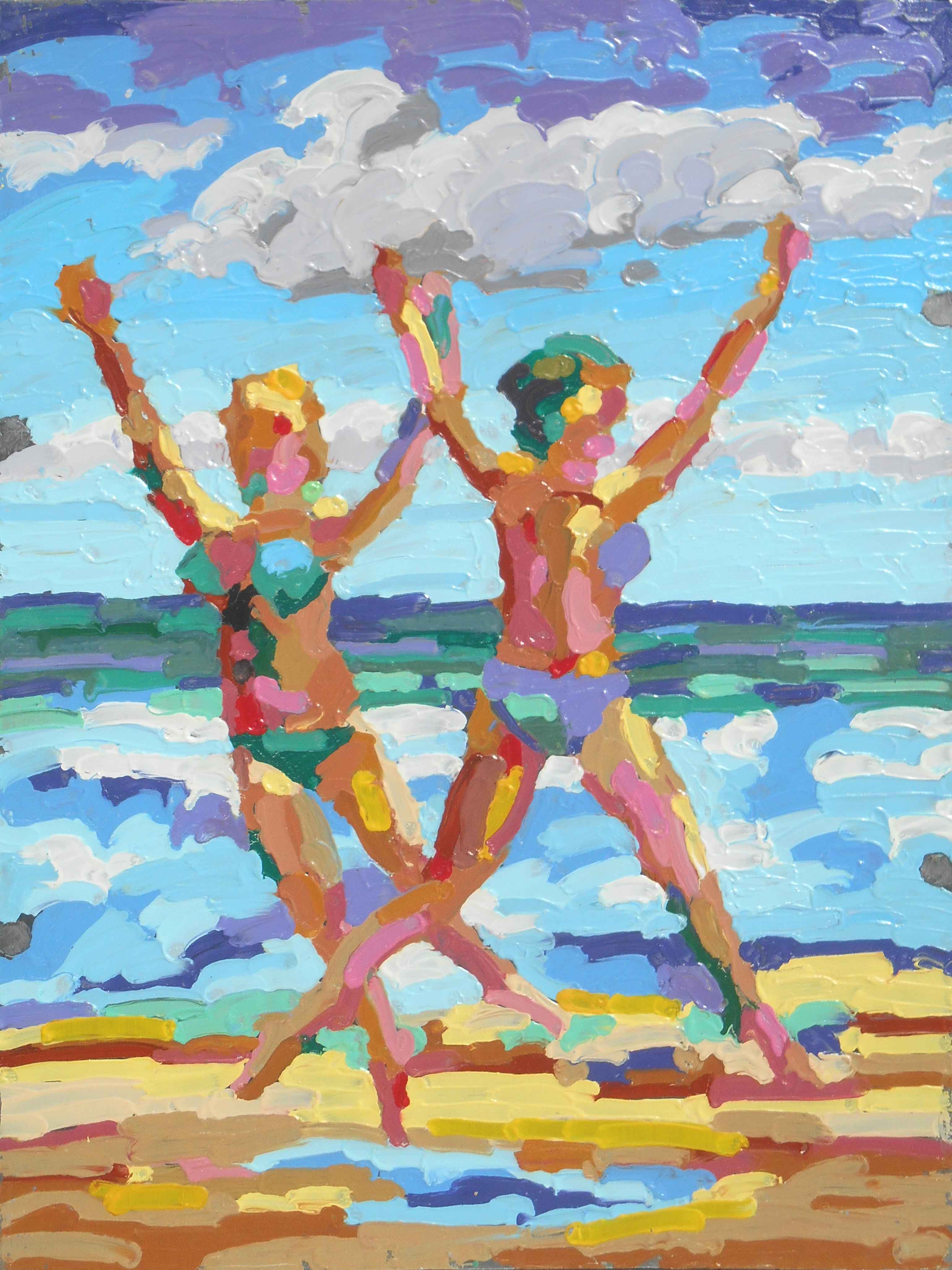
Beach Dancers III, 12" x 16", Oil on board, August 1, 2013
Searching for the perfect summer motif, this painting is the culmination of his study, a universal theme experienced by everyone. In the past he would paint the ocean beating against the shore, the inland estuary with labyrinths of emerald sea grass and beach goers hiding under their umbrellas. This new motif is a joy of summer exuberance. Using a limited palette of high keyed colors to push the vibrations to the level experienced on-shore with the breaking waves after a long travel getting there.
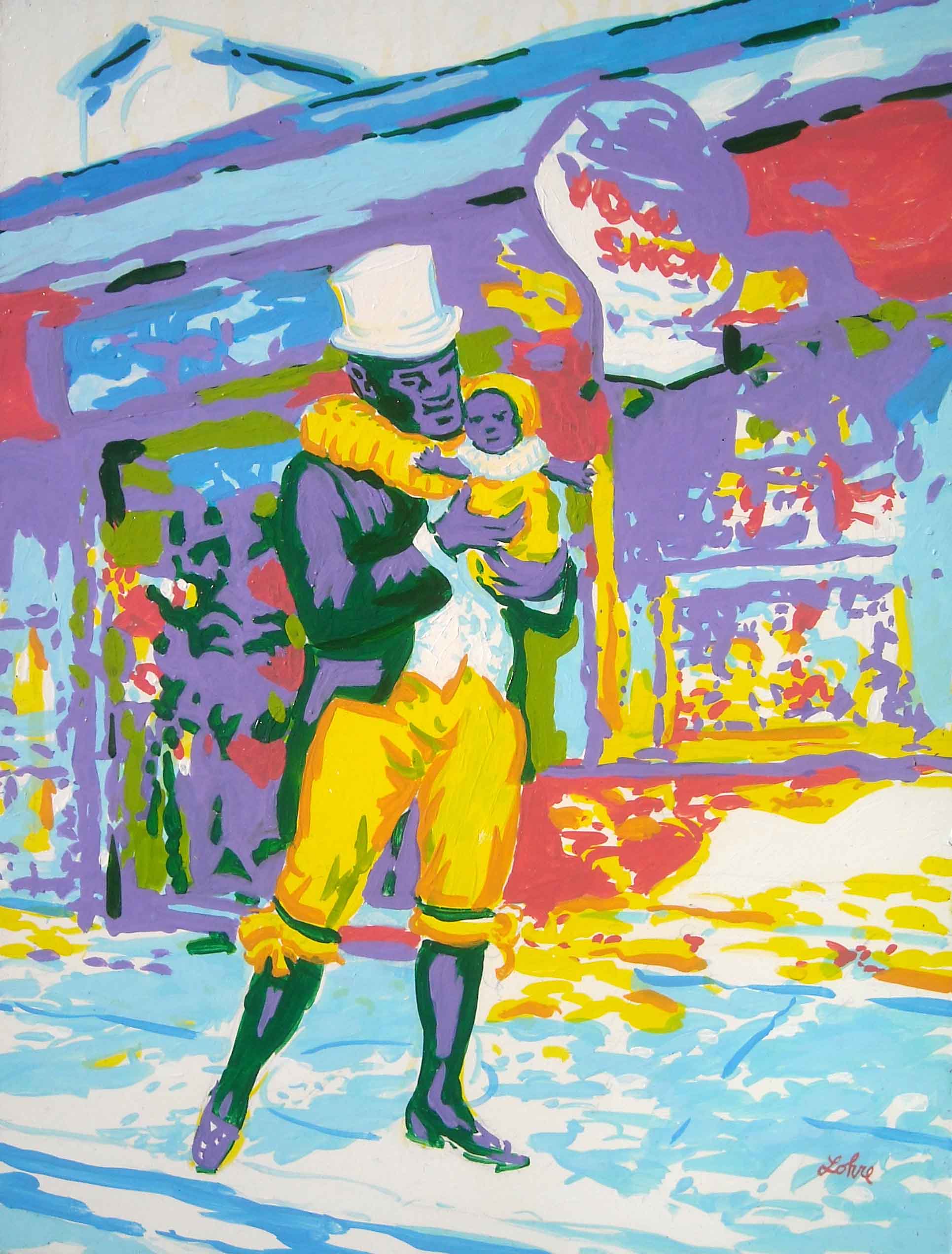
New Orleans Carnival Reverie outside Voodoo Shop, Oil on board, 12" x 16", January 10, 2011
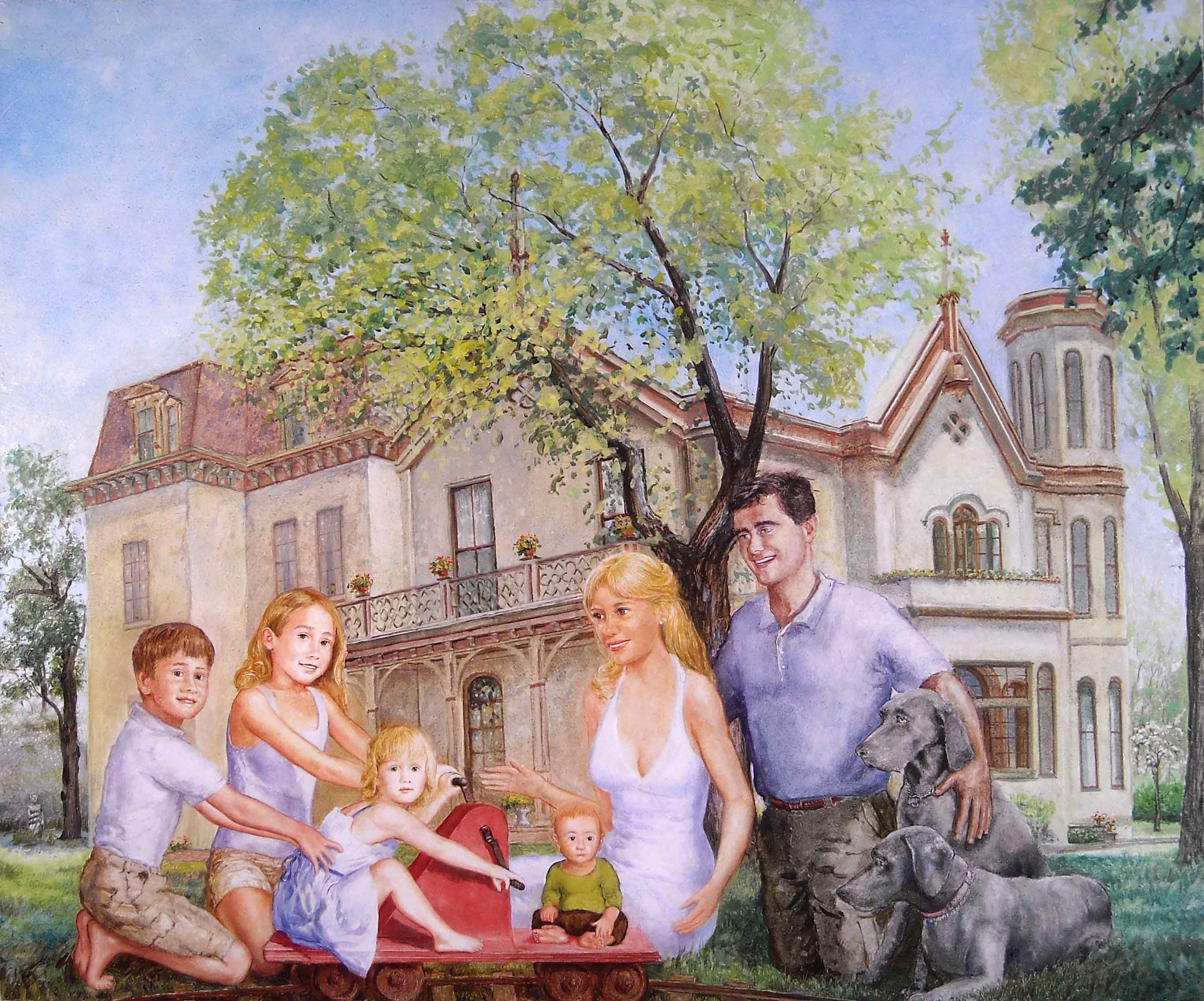
Clifton Family, 24" x 20", oil on canvas, December 2009, Portraits, Traditional oil
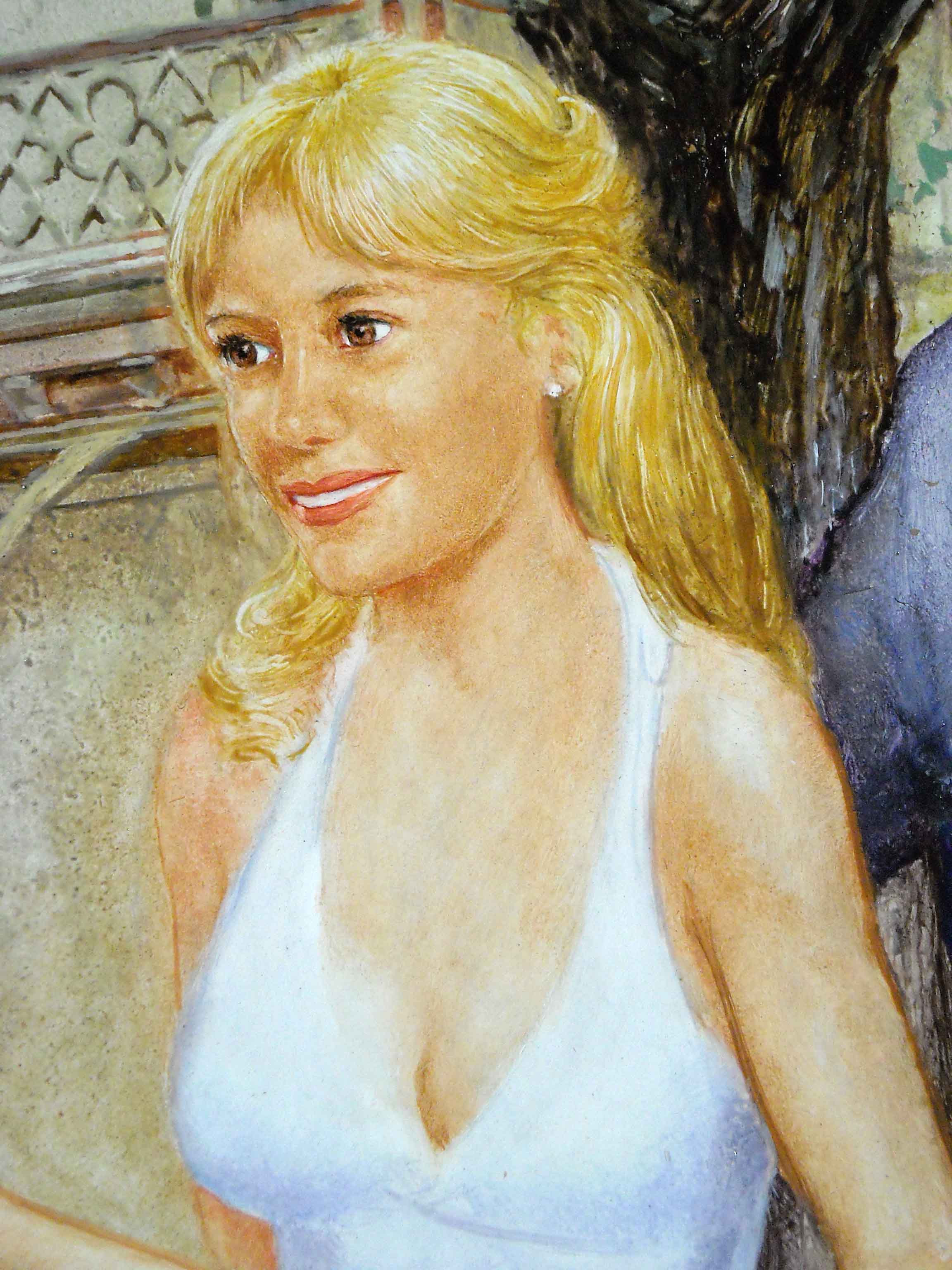
Detail of Clifton Family
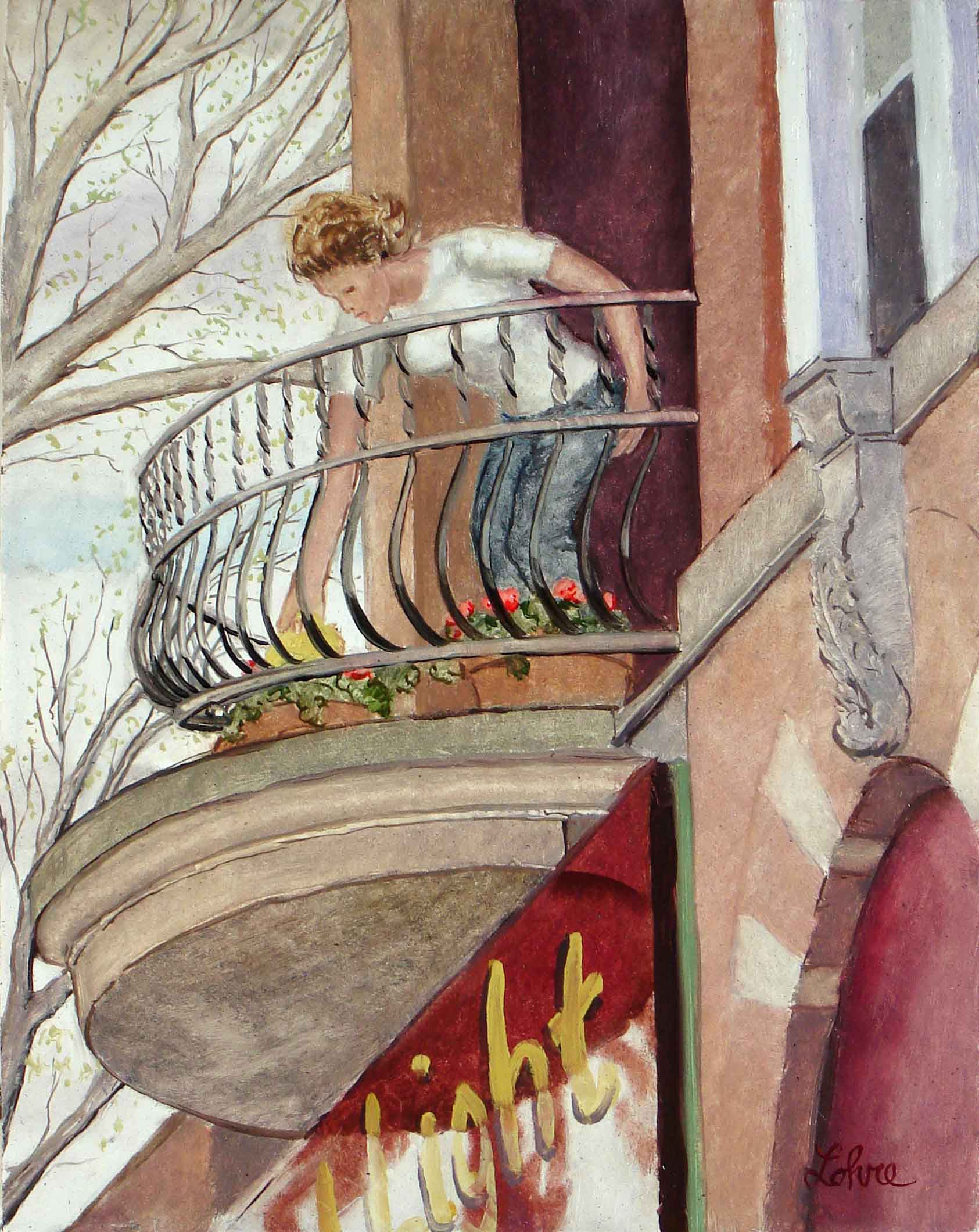
The Balcony, Ludlow Ave, Cincinnati, Ohio, 8" x 10", Oil on board, April 2006
“The Balcony” shows the second floor apartment above the shop “Spiral Light.” Tom was working on another painting when he notices this woman planting flowers. The ornate railing was always a favorite view and the greening of the balcony gives direction to the painting. This painting was done just inches from speeding cars.

Tom considers this a pivotal painting in his “Urban Landscape Series.” By chance he saw the two women just as they are clothed and depicted. The scene is simplified of additional objects like bikes, more planters, signs, etc. but the color and overall effect gave Tom a euphoric feeling he had never experienced. It was as if the feeling a great painting give the viewer was continually experienced by Tom as he worked on the painting. He worked on this painting from Bender Optical. The quite warm office was an excellent place to work.
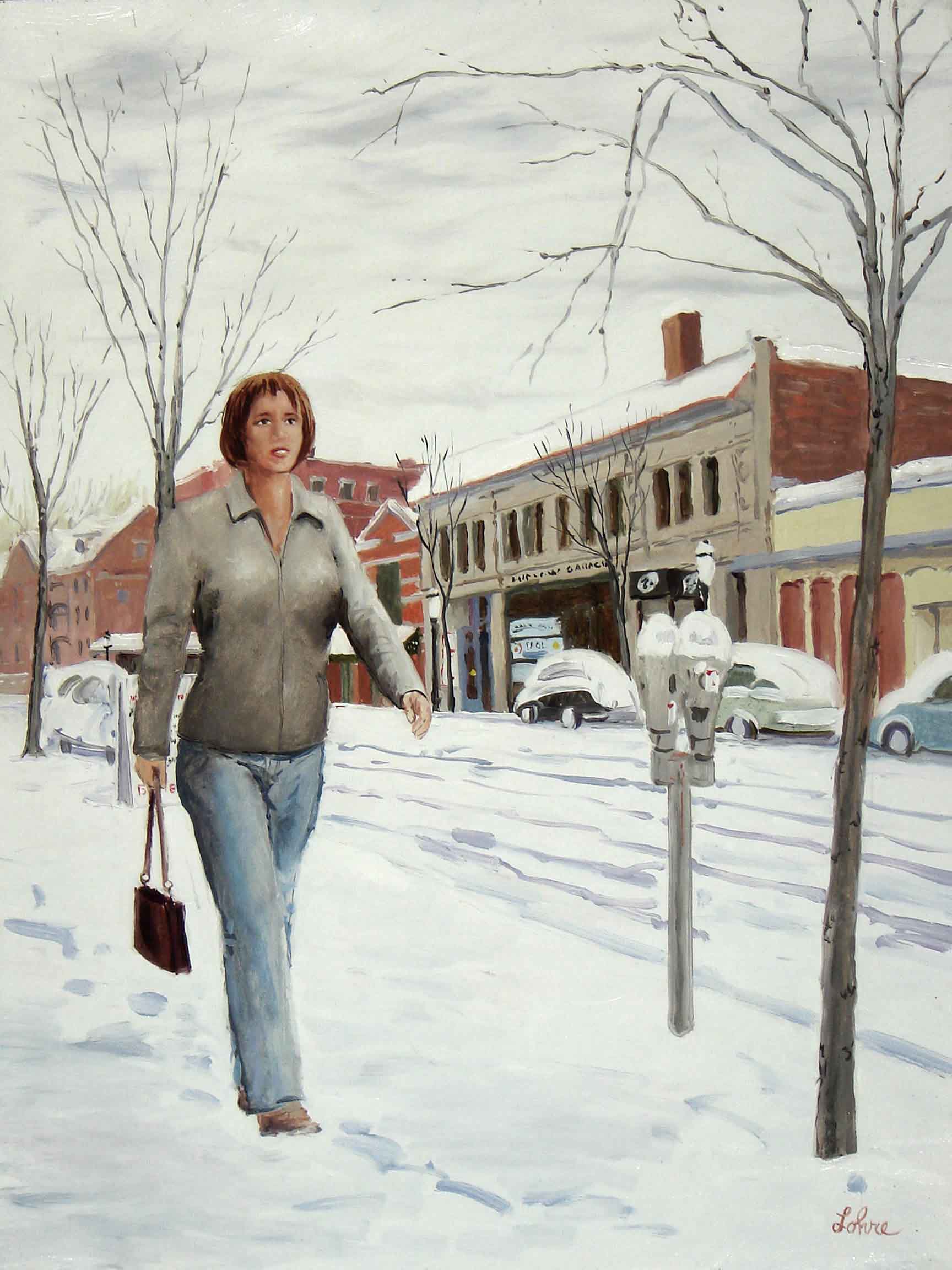
Ludlow Garage in Snow, 12" x 16", oil on board, March, 2006
Tom worked from inside the barber shop to paint this work. The woman was seen walking by. You can imagine the spring snow being here on day and gone the next. You can still see the empty parking spaces from the morning rush hour.
Esquire Theatre in Winter, 16" x 12", oil on board, March, 2006
This work painted from inside Dan's Clifton Barbers. It had snowed a few days earlier and Tom took advantage of the memory.
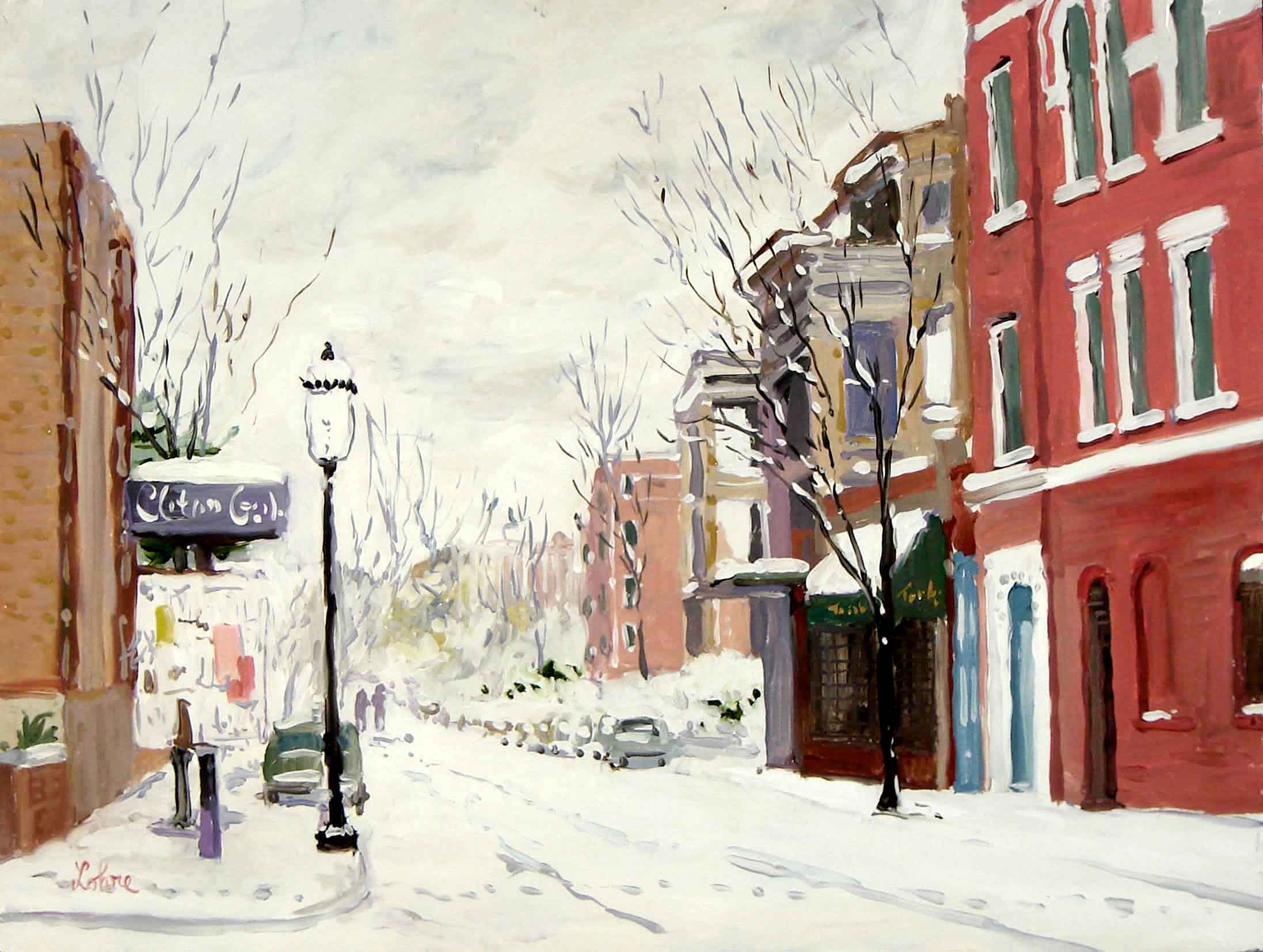
Telford Avenue with Snow, 16" x 12", oil on board, March, 2006
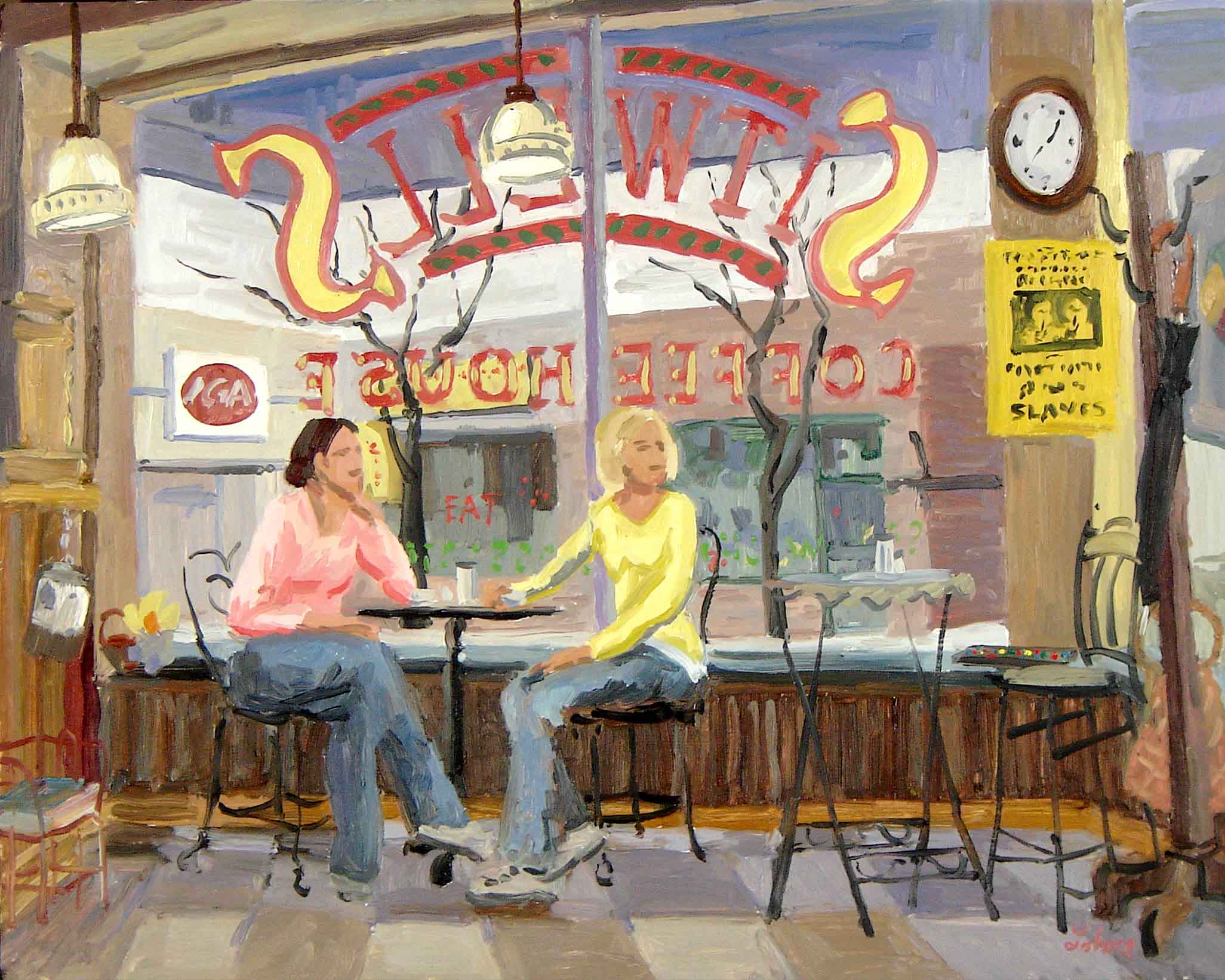
Sitwell's Coffee House Interior, 20" x 16", oil on board, March, 2006
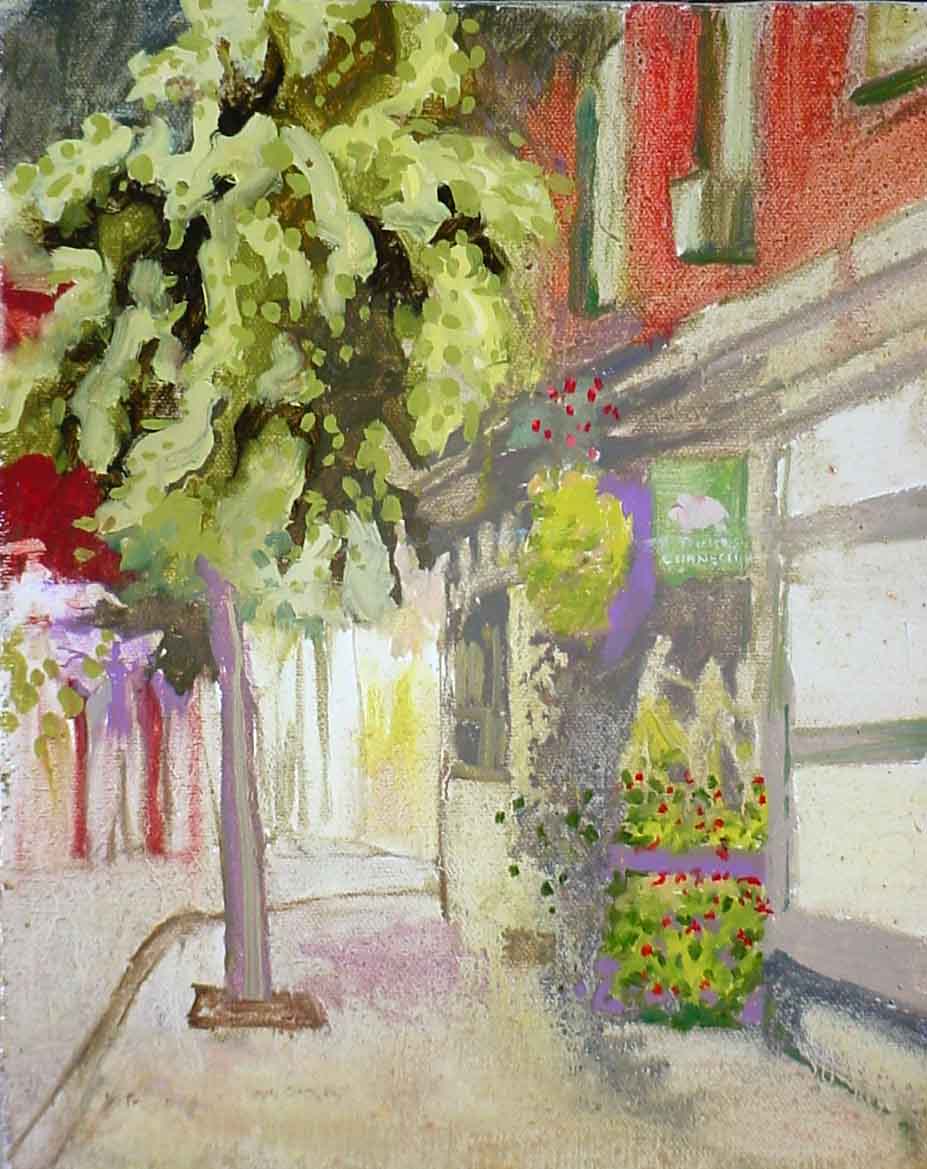
Perry Street, NYC, 8" x 10", oil on canvas, September 2006
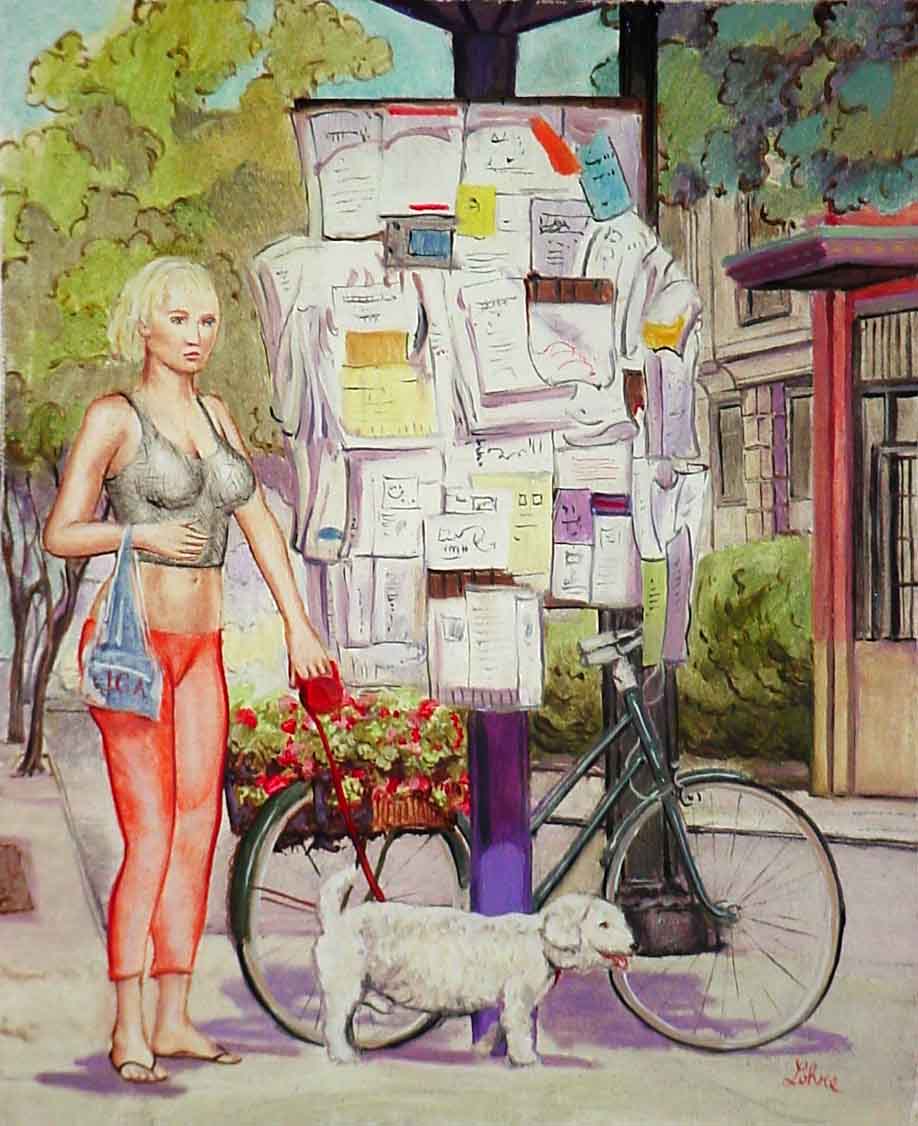
Old Ludlow Avenue
Bulletin Board,
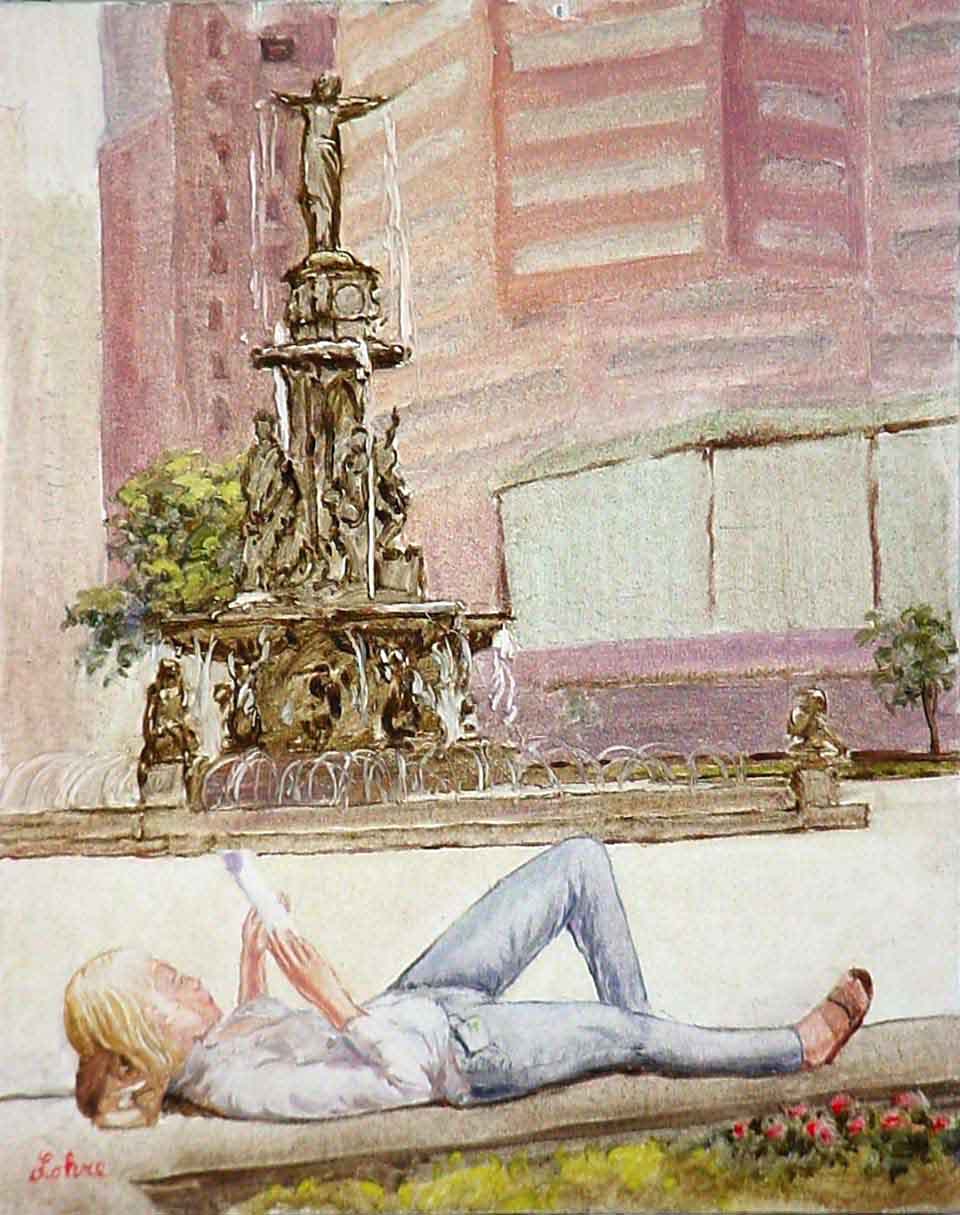
Fountain Square with Woman, 8" x 10", Oil on canvas, September 2005
This work was composed in the studio. The idea for the girl in the foreground was adapted from a photo Tom took the day before while working on Fountain Square.
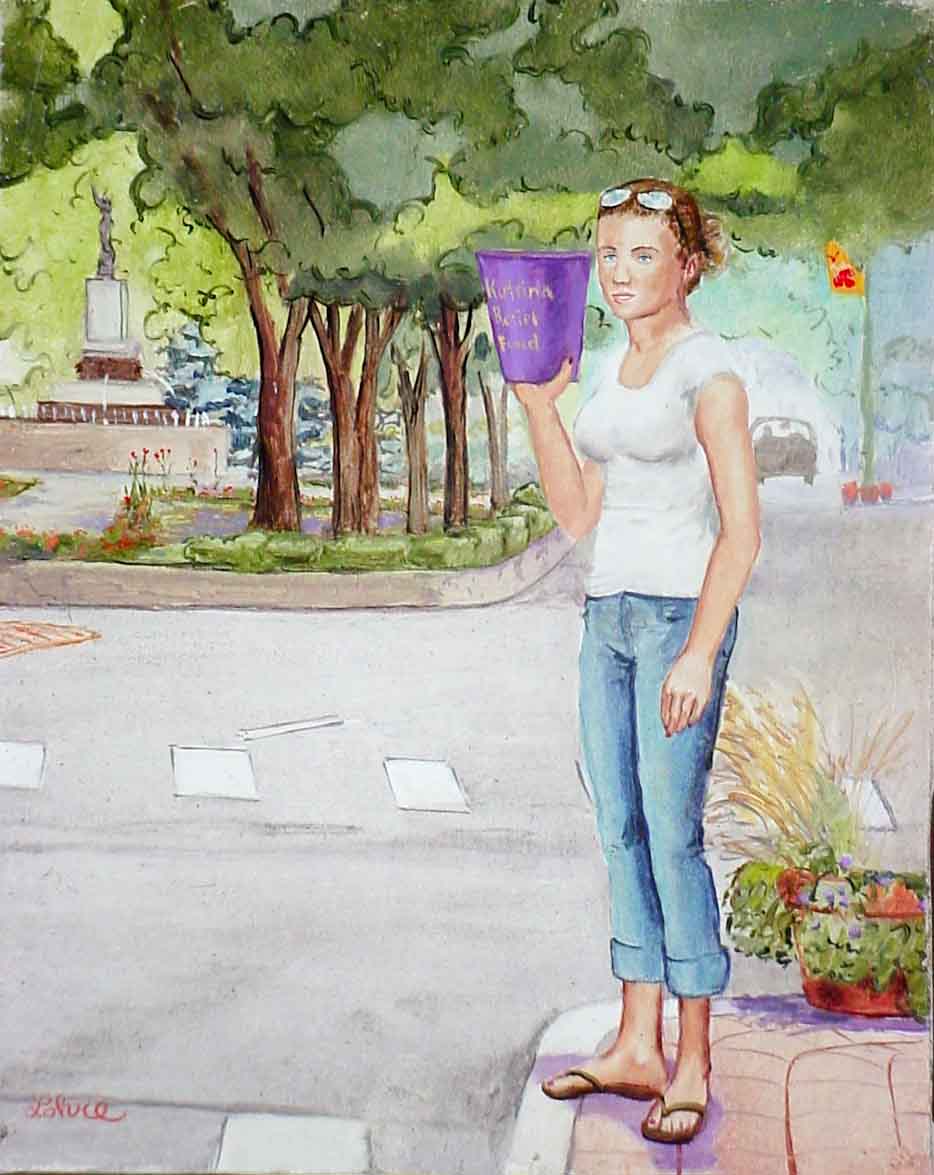
Katrina Relief Fund, 8" x 10", oil on canvas, October 2005
This work painted in Hyde Park, one of Cincinnati’s Villages. The idea for the girl came from a street fund raising effort on Ludlow Avenue. Cincinnati’s Conservatory of Music organized a New Orleans Style Band to set up on the street while other students solicited money from the passing cars.

This work painted outside of Paul Brown Stadium during the week before the game. During the game Tom discovered that the whole area if crowded with smokers. This work painted outside of Paul Brown Stadium during the week before the game. During the game Tom discovered that the whole area if crowded with smokers. While there painting, a TV station came down to do a feature on the new quarter back Carson Palmer, Tom picked up his guitar, which he always carries with him in the field and played a rallying song about Carson being a god sent to lead the Bengals to a Super Bowl for the reporter and his cameraman. It did not make the news.

Hyde Park Fountain, Cincinnati, Ohio, 8" x 10", oil on canvas, October 2005
A detail of the Kilgore Fountain is shown. The girl in the painting was inspired by a shop clerk who walked the shop dog frequently during the time Tom was working on the small painting.
Ludlow Avenue Bulletin Board, 8" x 10", oil on canvas, September 2005
Inspired from a snap shot Tom took on the street the day before. The woman was very rotund and the dog had pink spray paint on its coat. In the background is the perennial bicycle with the flower baskets, anchored to the bike hitching post complete with flat tire.
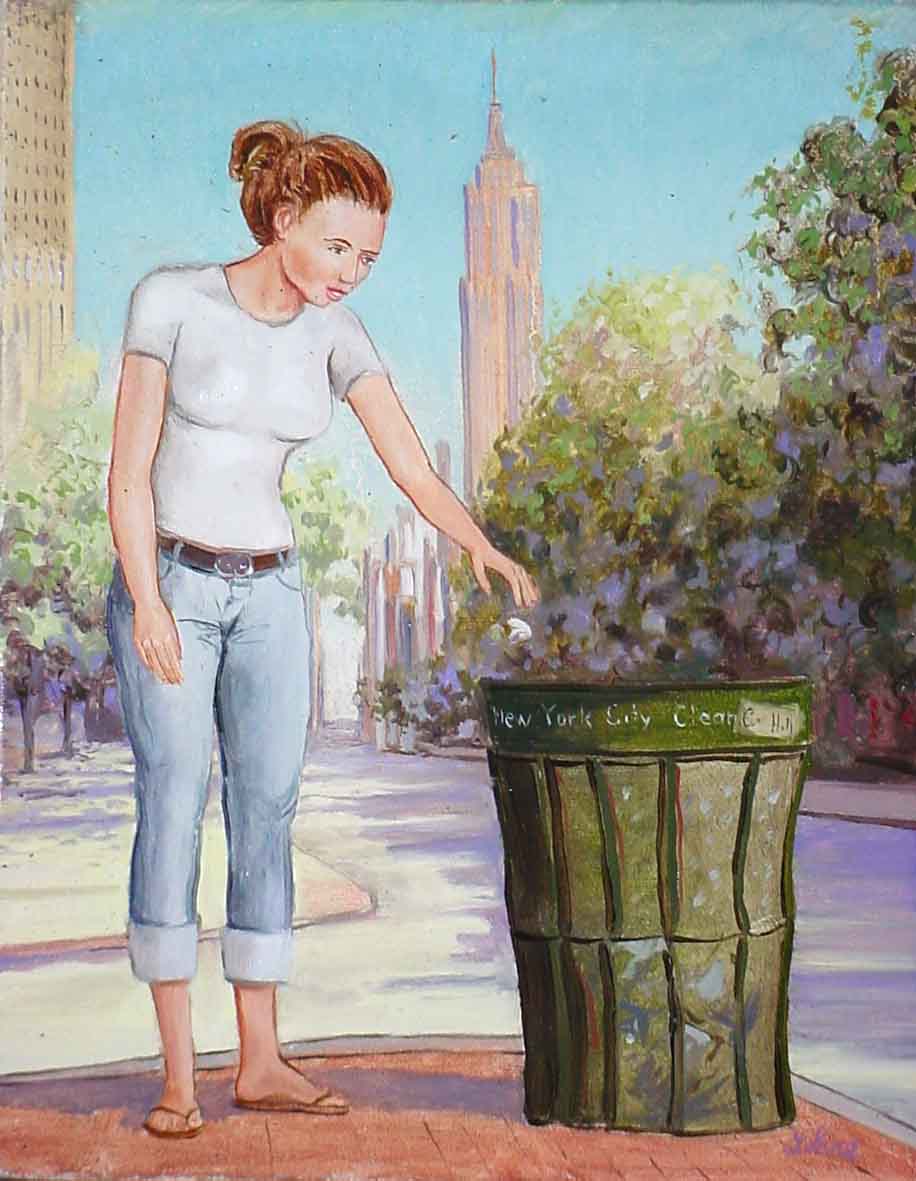
“New York City Clean” was also painted from life on the streets of New York City. The painting has quite a lot of street dirt on it from Tom’s sitting so close to Sixth Avenue. The funniest thing that happened to Tom was a man across the street dressed up in his Sunday’s finest light gray suit, pastel blue shirt and light gray shoes. He stood in front a bus across the square and yelled at it for a good half hour. He was berating the bus for being parked there. Did not the bus know that the square was called Father Demos Square because a church burned down on this spot and the city would not allow the church to be rebuilt so the spot was made into a square for the sole purpose of remembering the denial of the city? He constantly said that the square was only to be used for sitting and no bus parking was allowed. After the man got tired of talking to the bus he came over to where Tom was working and laid into him. There was to be no tripods set up. Tom was flabbergasted by the affront. Never had he experienced such a tongue lashing. Since Tom had his guitar on his lap he was also told to take that guitar over to Washington Square, there was to be no guitar playing on Father Demos Square. Tom finally had to tell the man that he was sorry but the man would have to get the police to have him removed. After a good long time the man finally walked off. Later while Tom was talking to a local bench sitter he learned that the man had been diligently performing his job for several years. He never returned. Father Demos’s church was rebuilt across the corner into the magnificent “Our Lady of Pompeii.”
Sitwell's Coffee House Interior, 20" x 16", oil on board, March, 2006

Esquire Girls II, 8" x 10", Oil on canvas, 2005
Tom considers this a pivotal painting in his “Urban Landscape Series.” By chance he saw the two women just as they are clothed and depicted. The scene is simplified of additional objects like bikes, more planters, signs, etc. but the color and overall effect gave Tom a euphoric feeling he had never experienced. It was as if the feeling a great painting give the viewer was continually experienced by Tom as he worked on the painting. He worked on this painting from Bender Optical. The quite warm office was an excellent place to work.
The Balcony, Ludlow Ave, Cincinnati, Ohio, 8" x 10", Oil on board, April 2006
“The Balcony” shows the second floor apartment above the shop “Spiral Light.” Tom was working on another painting when he notices this woman planting flowers. The ornate railing was always a favorite view and the greening of the balcony gives direction to the painting. This painting was done just inches from speeding cars.
These paintings were painted on the street. Working from life guides the color and form to be the best with the least. Sometimes it means sitting a few inches from speeding cars. The optimal setting for life work is where the artist can best focus on giving the art what it needs. Working from inside a quite shop looking out the window produced the best results.
Ludlow Garage in Snow, 12" x 16", oil on board, March, 2006
Tom worked from inside the barber shop to paint this work. The woman was seen walking by. You can imagine the spring snow being here on day and gone the next. You can still see the empty parking spaces from the morning rush hour.
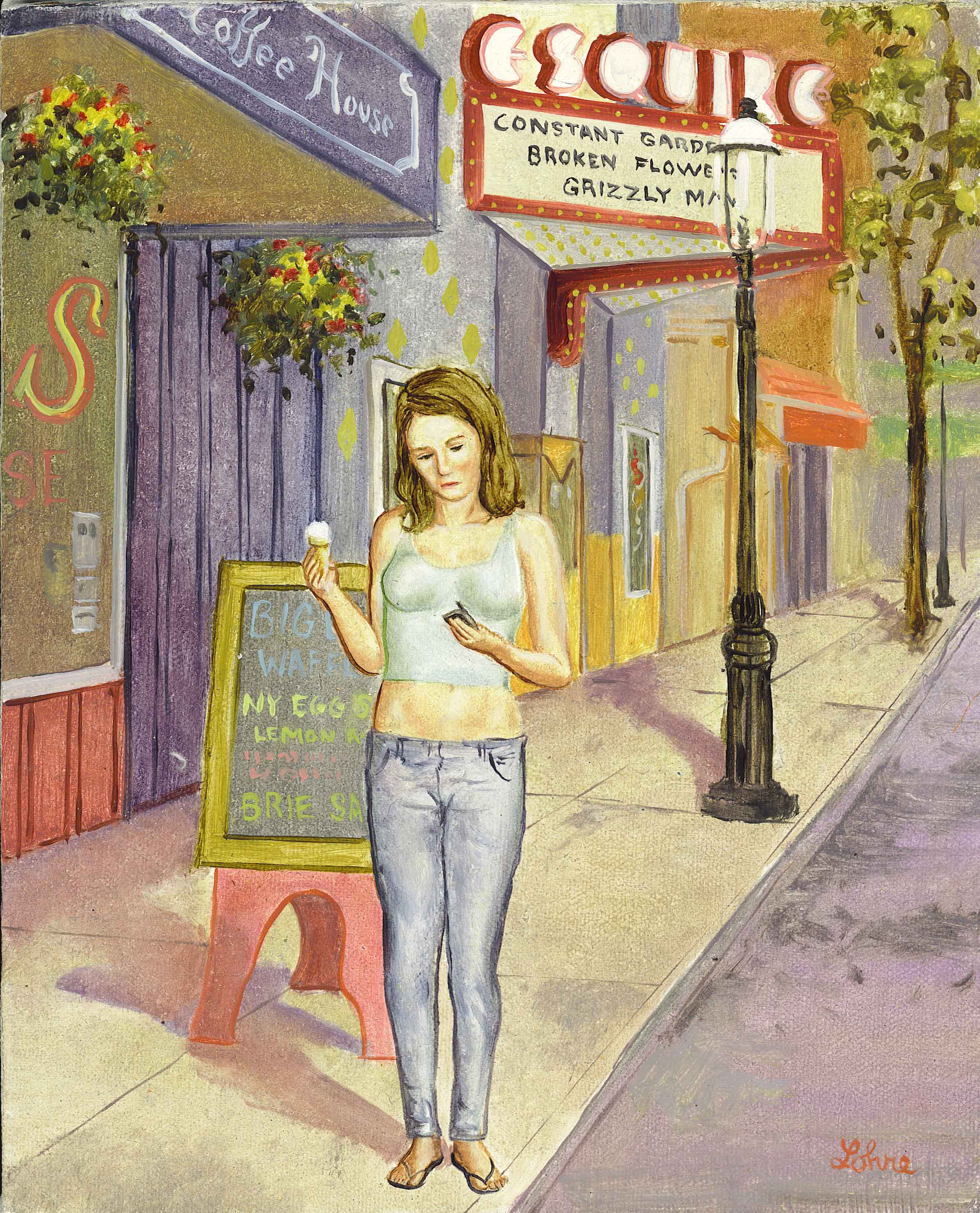
Sitwell Girl II, 8" x 10", Oil on canvas, 2005
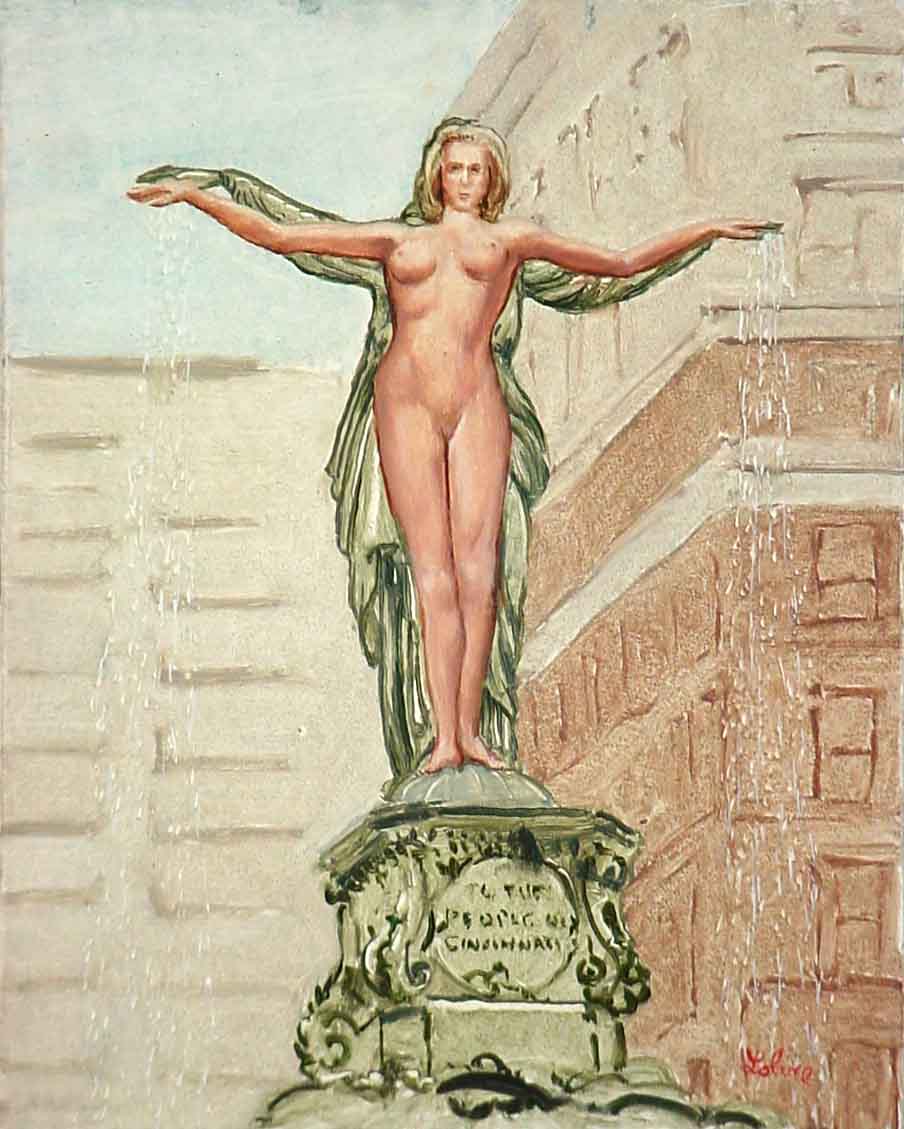
Fountain Square Lady of the Waters I #1, Oil on canvas, 8” x 10”, 2005
After a good number of regular paintings in the thin transparent manner, Tom got the idea to superimpose a nude figure in place of the Lady of the Waters. He used a digital mannequin program to create the figures. Needless to say the paintings went over like a lead balloon with his partner and they were stowed away. Only later when Tom started distilling the fountain down to blobs of select colors were these two images of nudes transposed in front of the Lady of the Waters realized to their fullest extent. Turns out a blurred, simplistic nude is acceptable.
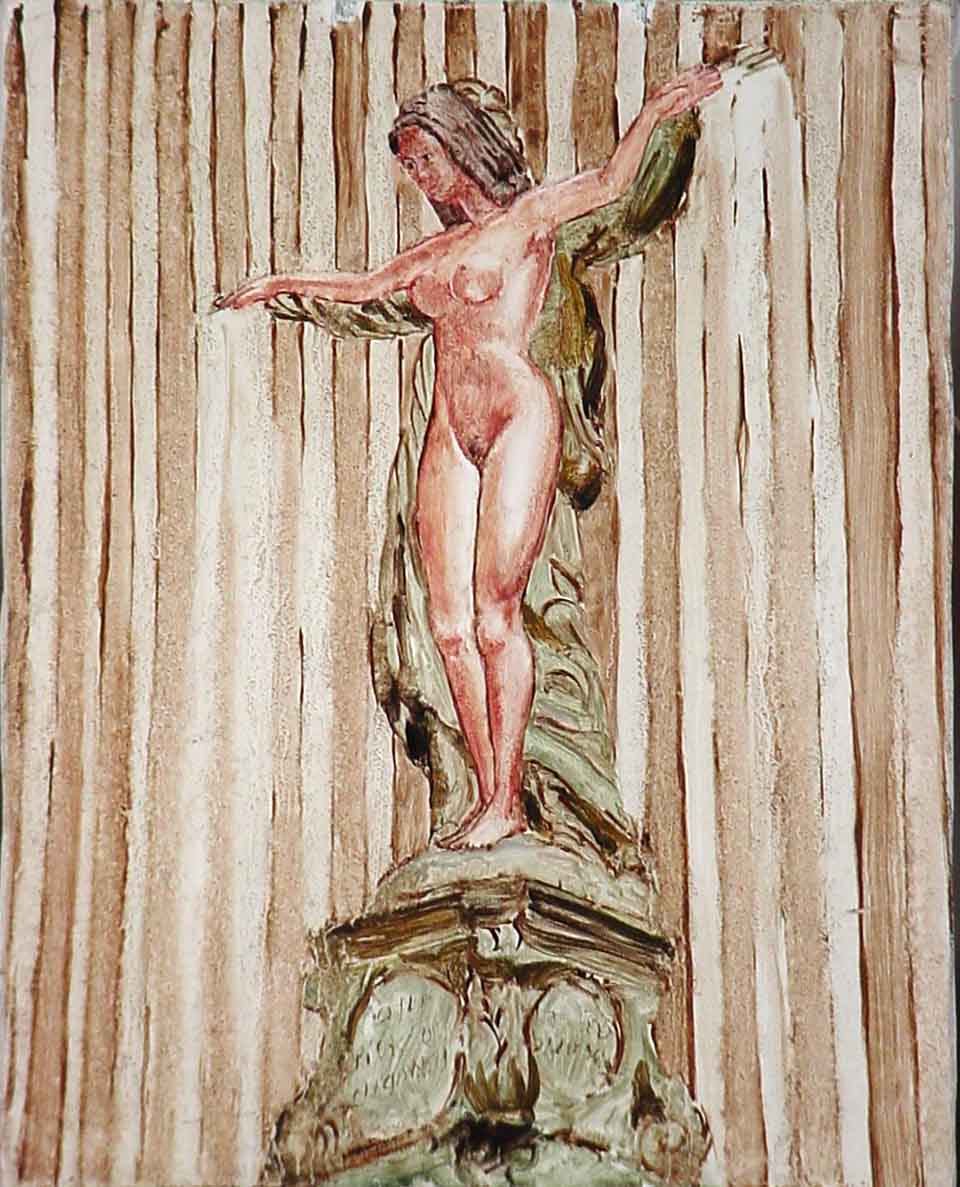
Fountain Square Lady of the Waters II #2, Oil on canvas, 8” x 10”, 2005
Though only two of these nudes were painted their derived paintings are significant in number. The subtle nature of the abstract image is core to the success of the derived works. Focusing on just the lady and the top of the pedestal distills the essence and allure of the motif. Distilling down an image like the one above into a few blobs and colors requires a lot of time balancing the amount of canvas each color has. In PhotoShop you create a palette of nine colors then force it on the image using the mode command to switch between index and RGB color.
Fountain Square Woman, Oil in canvas, 8” x 10” September 12, 2005
Tom did not get back to painting the fountain till 2005 when his partner demanded
that he start making some money with his art. Tom spent a lot of time starting
in 2003 working on a Lego robot that painted. The robot’s work was not
successful and everything came to a head after Tom purchased three clip-on-lamps.
The rampant spending had to stop.
Tom started painting live on the square. He was moving into using figures in
his landscapes. Each figure started with a digital image taken on the plaza
and a computer mannequin program called Poser. He would recreate the figure
in the digital image, enhancing and bettering the composition with the digital
mannequin program. Tom would go on to spend lots of time on the square painting
leaving his car in the parking lot of Suder’s Art Store about seven blocks
north. Day after day he would load up his cart and make for the square mingling
amongst the poor and disenfranchise while trying to sell the work to the lunchers.
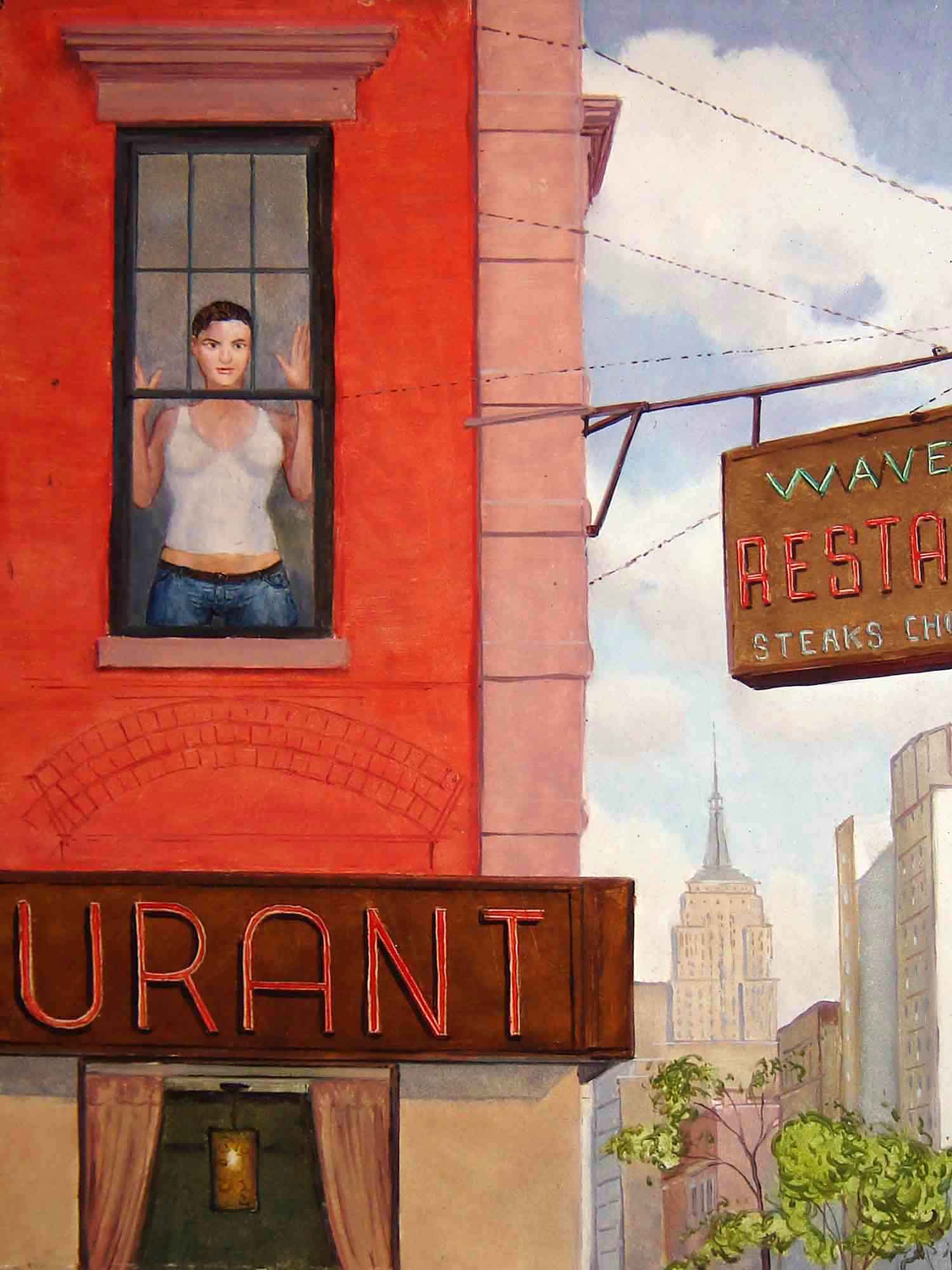
Waverly Woman, Oil on board, 12" x16"”, 1996
Tom was in the process of moving out of New York City after twenty years in the Village. He had met the love of his life and they did not want to live in the City because they had a good job where they were. Hopefully it was Tom’s hometown. While making the transition he would take the 18 hour train from Cincinnati to New York City that ran meticulously through Virginia, DC, Philly and finally Penn Station while nursing a thermos of coffee and Bourbon. This painting was done from life on Sixth Avenue. For years Tom painted on the street in the Village but always with no one in the paintings. Now he took the extra step to place a well wrought figure in the painting. The series was not so successful, a few went for market price but the majority never hit their mark.
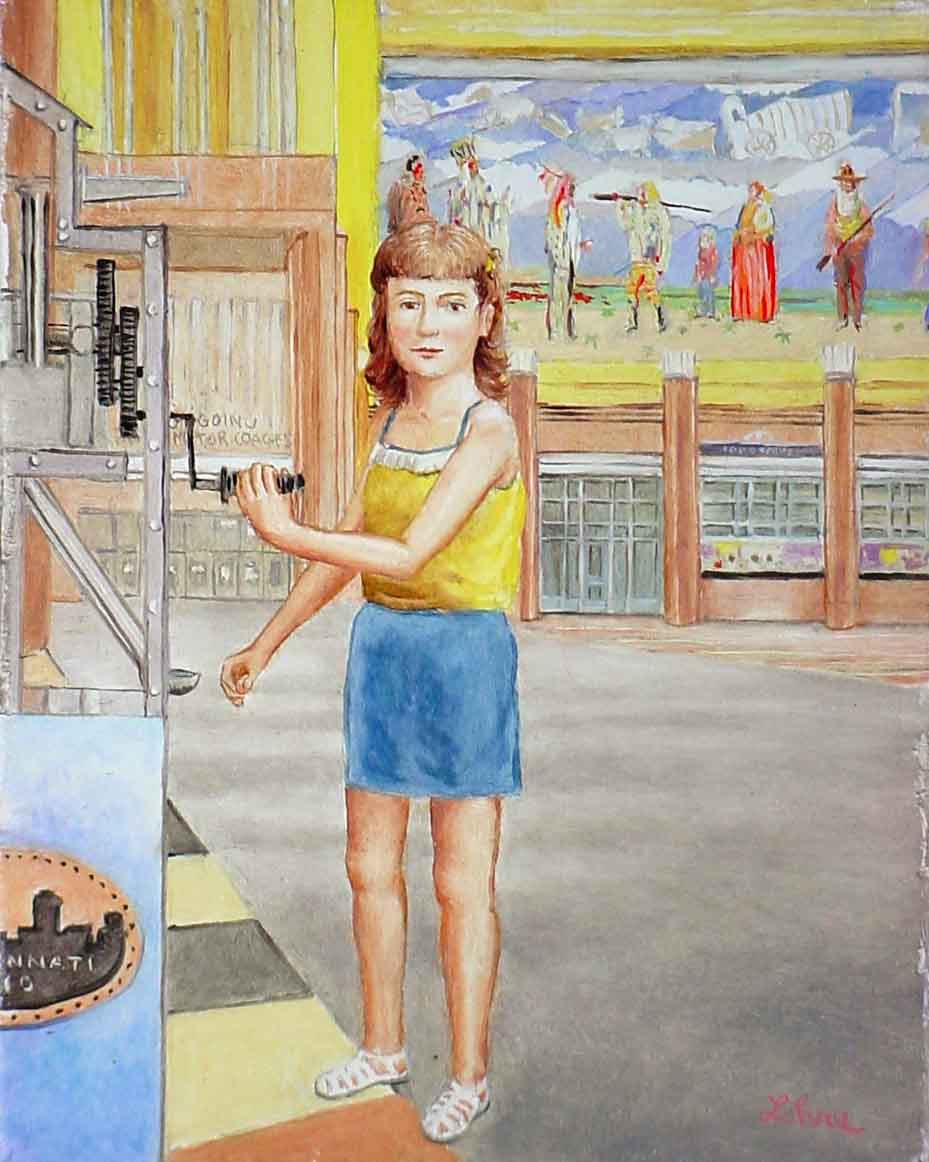
Museum Center, 8" x 10", oil on canvas, 2002
Painted from life over the course of serveral days. The subject is Helen, his daughter.
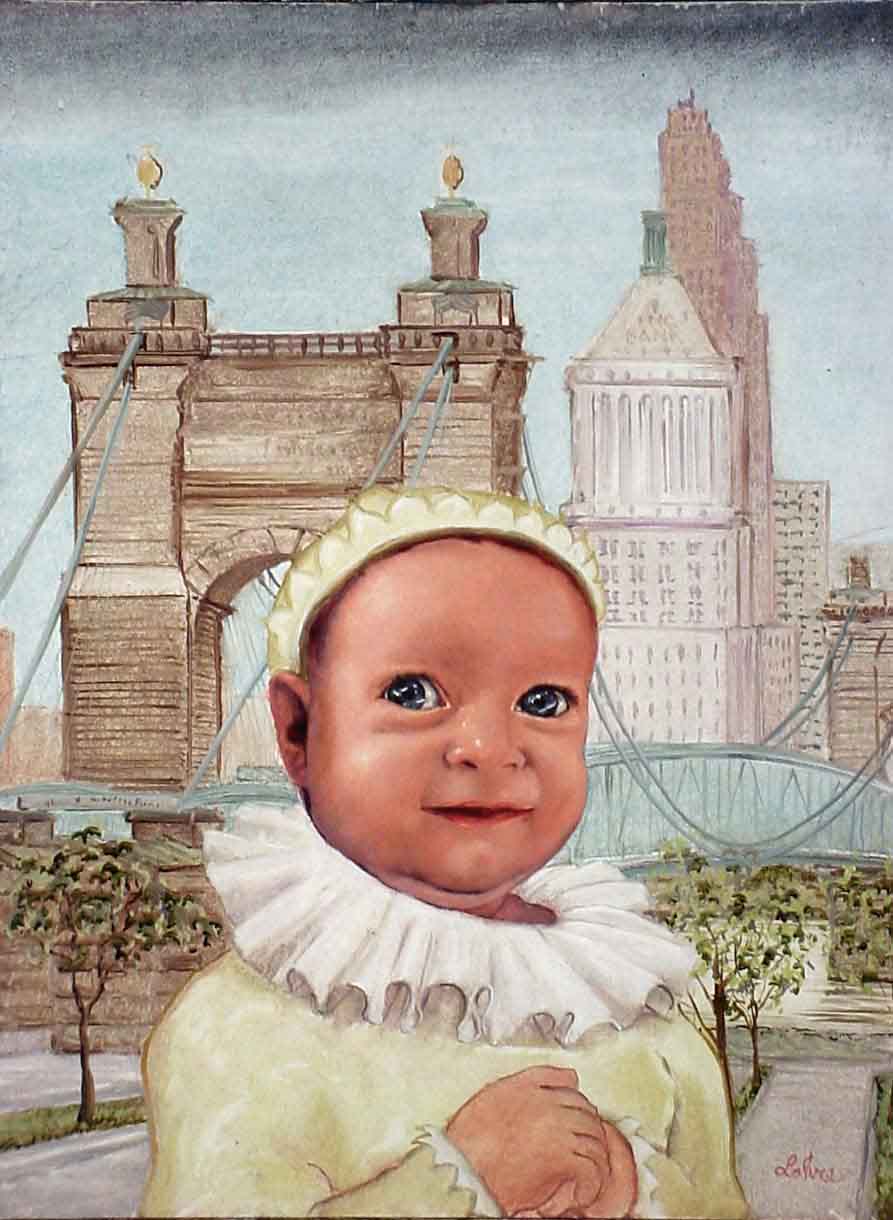
Cincinnati Girl, 12" x 16", oil on canvas, 2000
The background was painted from life. It happened to be where the friends of the jailed gather to wave to their friends. Painted as a present to his wife for her first mother's day.
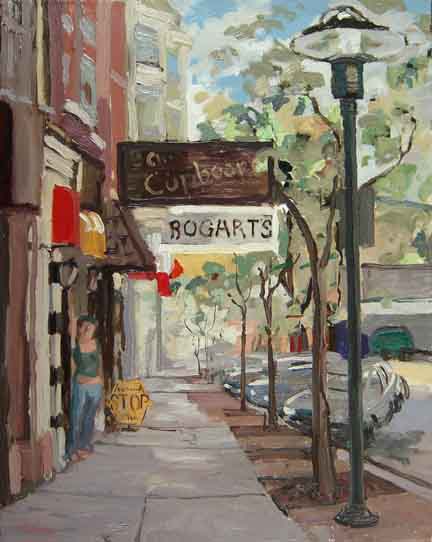
This work painted from life. Tom drove
his flying bicycle through Ludlow and Jefferson Villages to get to Corryville,
one of the many little villages in Cincinnati. He started the painting in the
studio, projecting an image of the street onto the canvas along with some images
of girls he had taken around the neighborhood villages. When he started painting
there was a girl handing out flyers in from of The Cupboard. The flyers were
for a competing store across the street. Tom ended up painting the shopkeeper
of The Cupboard in her regular spot in the front door. The manner of the painting
is much rougher than usual for Tom. It is an experiment in momentary human expression
hoping to present a solid finished idea but in a manner, that shows the human
size and stroke. This manner was influenced by Tom’s friend in England who paints
everyday quick oil sketches. He is constantly touting to paint the whole all
at once.
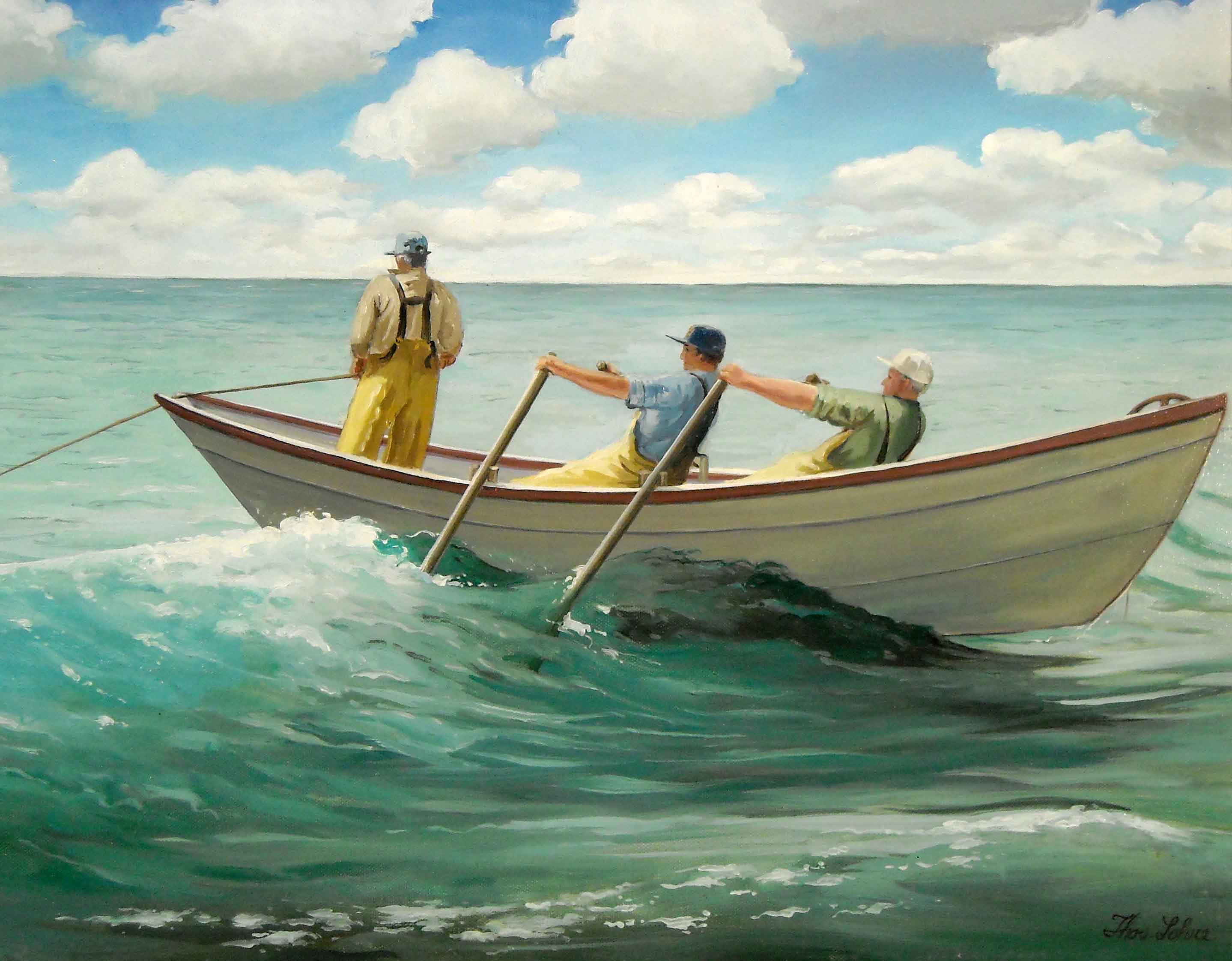
Surf Fishing, Nantucket, 20" x 16", oil on canvas, 1995

Beverly I, 16" x 20", oil on canvas, 1993
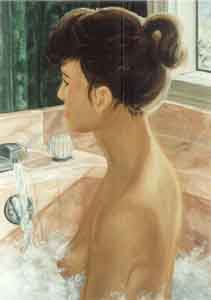
Beverly II, 16" x 20", oil on canvas, 1993
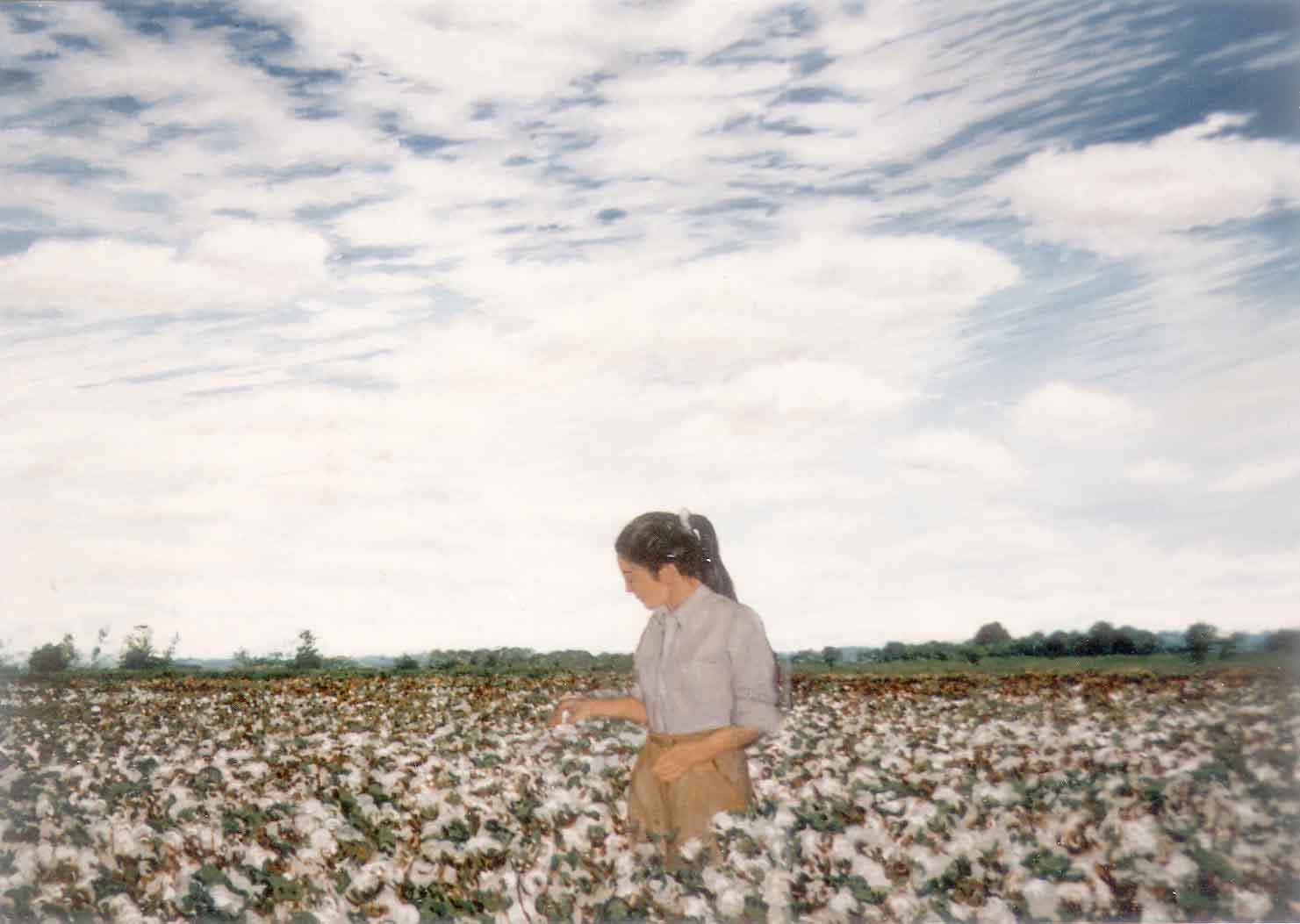
Cotton Field, 20" x 16", oil on canvas, 1992

Painted from an image taken by Tom at Irene's family farm in Kinstom, North Carolina. He sold the painting to Beverly Klyce. Tom had been staying on their estate painting for a year. Tom and Irene would talk every Sunday at 8 p.m. while Tom was living in Greenville, South Carolina with Dick Foster, Mark Sullivan and Beverly Klyce.
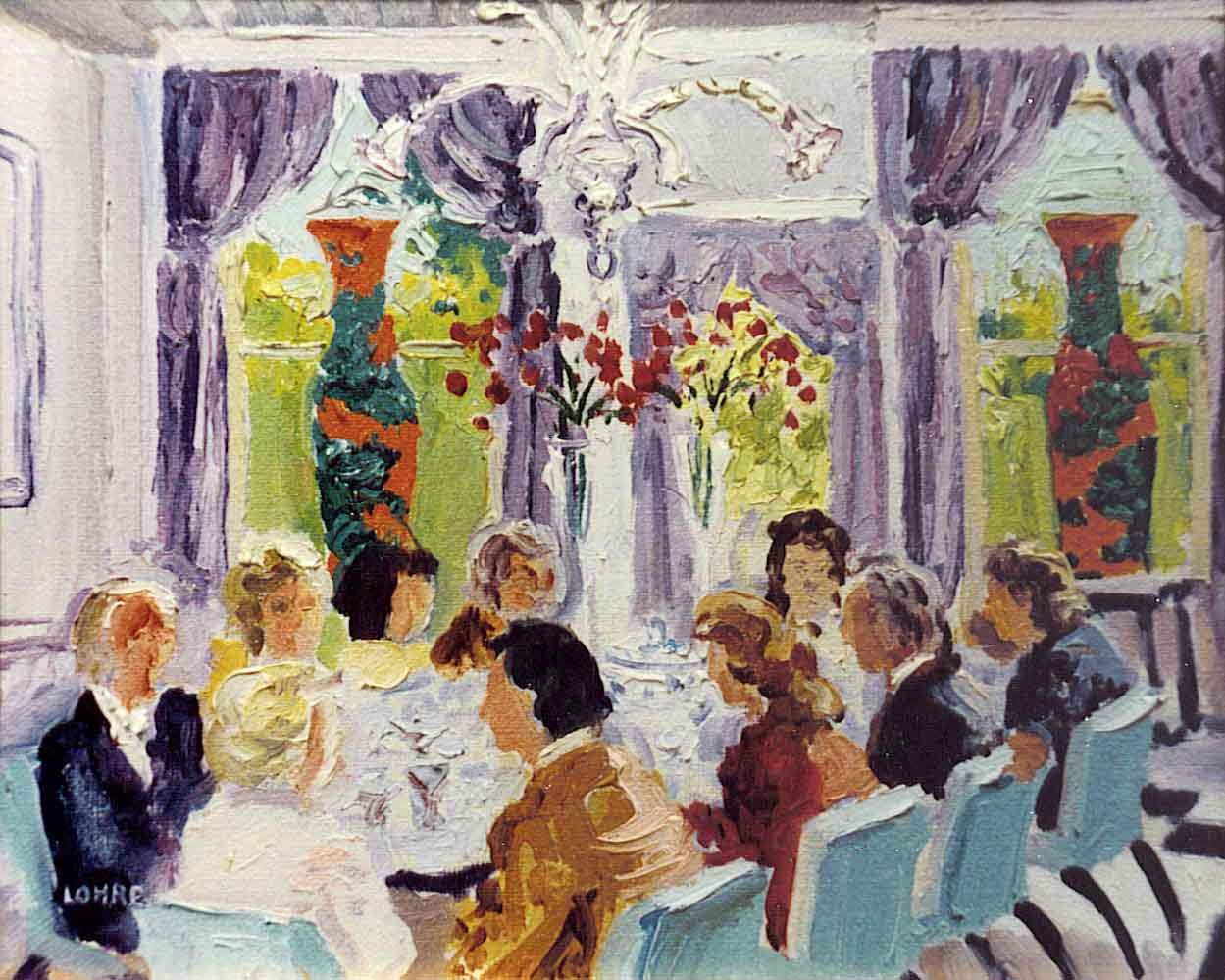
Sally Brown Honored at James Hunt Barker Luncheon, 10" x 8", oil on canvas, 1987
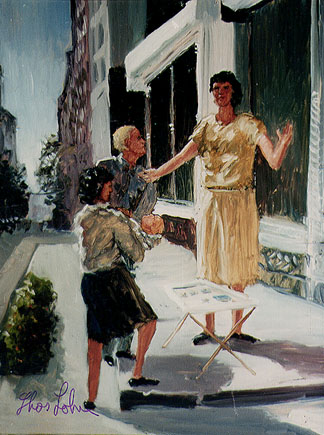
Sayer, Greenwich Village, New York City, 8" x 10", oil on mylar, 1989
View Tom
Lohre' locations of paintings painted from life in a larger map.
More additions to come:()
Experience The Warm Feeling of Owning Original Art
Click To Contact Inspiring Smiles Forever
Look to these pages for the latest from the studio and the boat yard. This is a simple web site with no cookies or security hosted by Go Daddy. Trust they will let you have fun browsing.
Complete Works, Portraits, Landscapes, Still Lifes, Sculpture, Lego Artist...
Click To Sign up for auction notices or check past auction sales at EBTH
Have any Tom Lohre painting on Prints, Greeting Cards, Throw Pillows, Duvet Covers, Shower Curtains, Tote Bags, iPhone Cases, T-Shirts, Round Beach Towels, Towels (Beach & Bath), Yoga Mats, Spiral Notebooks, Fleece Blankets, Portable Batteries Chargers, Carry-all Pouches, Weekender Tote Bags, Coffee Mugs, Tapestries, Face Masks, Jigsaw Puzzles, Stickers and Oraments via Fine Art America
If you don't see your favorite painting request it to be offered.
Post comments on Facebook https://www.facebook.com/tom.lohre/
Tom's sailing page Stories of 4 Atlantic crossings, boat rebuild, sailing on the Ohio River and links to PDF and videos
Online Clifton Chronicle The local publication Tom was the editor for ten years.
Special Web Sites, Family Tree, Friend's Links
11223 Cornell Park Dr. Suite 301, Blue Ash, Ohio 45242